
The recording of this week’s office hours is below, after the scripts.
A note from Laurie
This week’s scripts are all about the invisible work: coffee stations, drop zones, and the domino effect one faucet choice can set off in a kitchen. If you only have time to film two, the Vanguard sofa script and the Brizo faucet story both have built-in sponsor brands.
Ten fresh scripts below. Tap any title to open it. Everyone picks different ones, so your videos stay unique to you. Choose the two that best fit your voice and your clients, film them, and tag #idcvideo and @interiordesigncommunity when you post.
Filming tip: Face a window; don’t stand with your back to one. If your face is darker than the room behind you, the fix is to turn around, not to add a ring light.
1. Coffee Stations
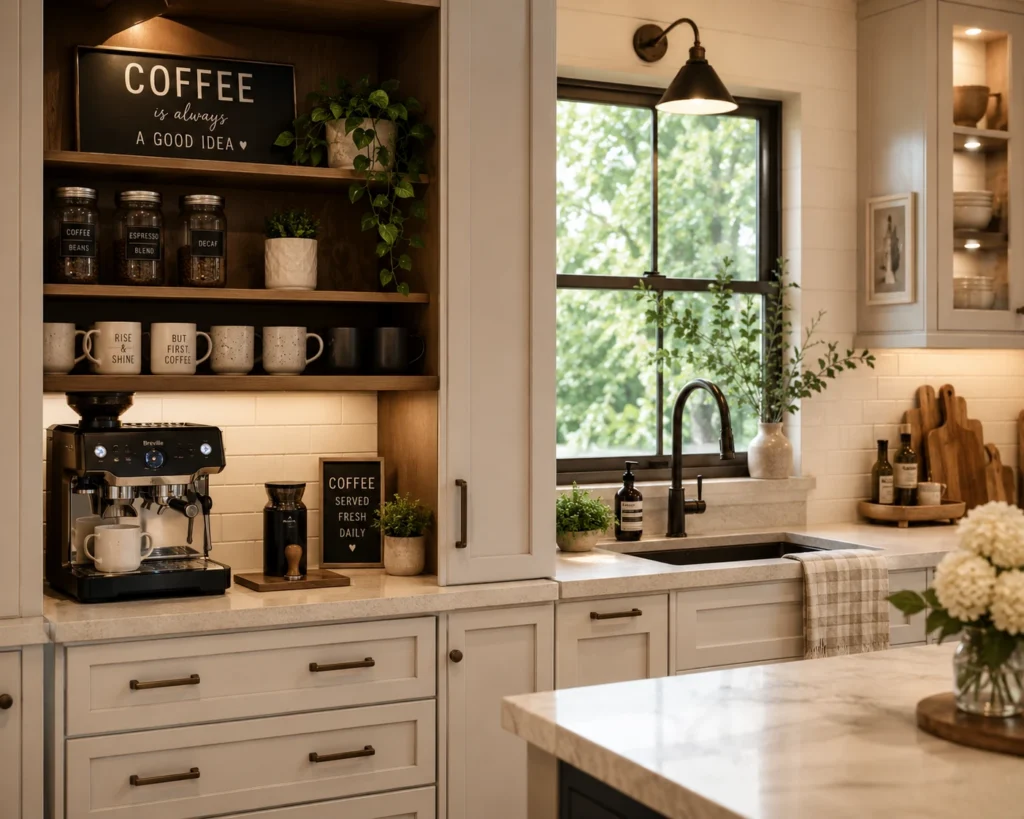
Hook: One of the weirdest questions your interior designer might ask you is exactly how you make your coffee.
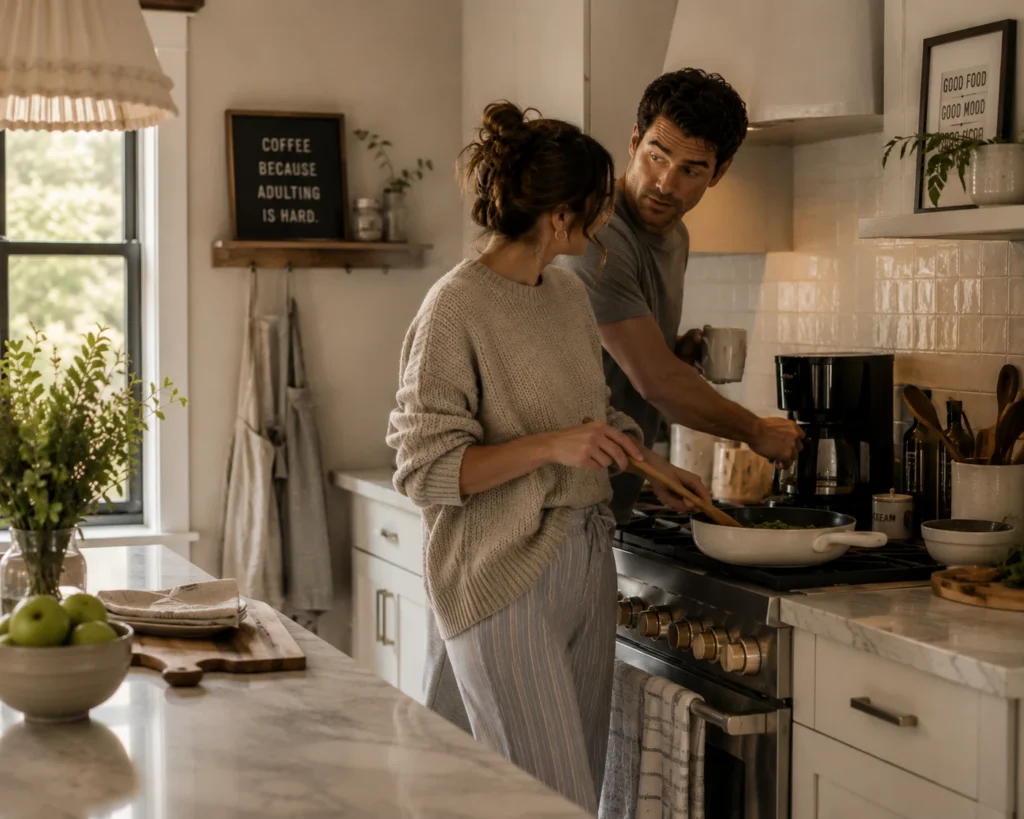
And not just, “Do you drink coffee?” I want the whole thing. Are you grabbing a pod and running out the door? Grinding beans? Frothing milk? Is your husband somehow using four different things to make one cup every morning?
Because now I’m watching how you move.
If you’re constantly filling a reservoir, maybe that machine belongs near the sink. If two people are making coffee while someone else is cooking breakfast, putting the coffee maker in the main work zone suddenly makes no sense.
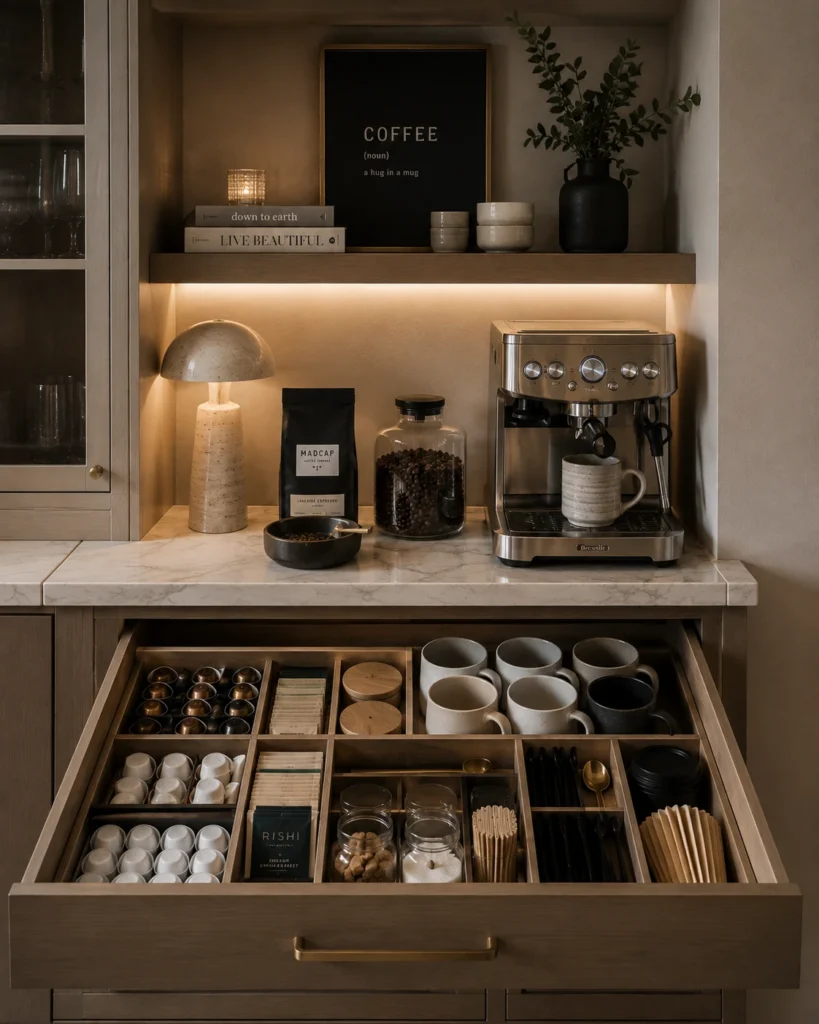
Then there are mugs. Beans. Filters. Spoons. Outlets. Trash. All these tiny things need a home.
Which is why some designer questions can sound completely unrelated to decorating.
I’m not really asking about coffee.
I’m figuring out how your house needs to work before I decide what it should look like.
Caption
The weirdest question I ask new clients? How they make their coffee. Turns out, it tells me everything about how your kitchen actually needs to work.
@interiordesigncommunity #idcvideo #kitchendesign #interiordesign #homedesign
Assets
Press and hold any image on your phone to save it to your camera roll.
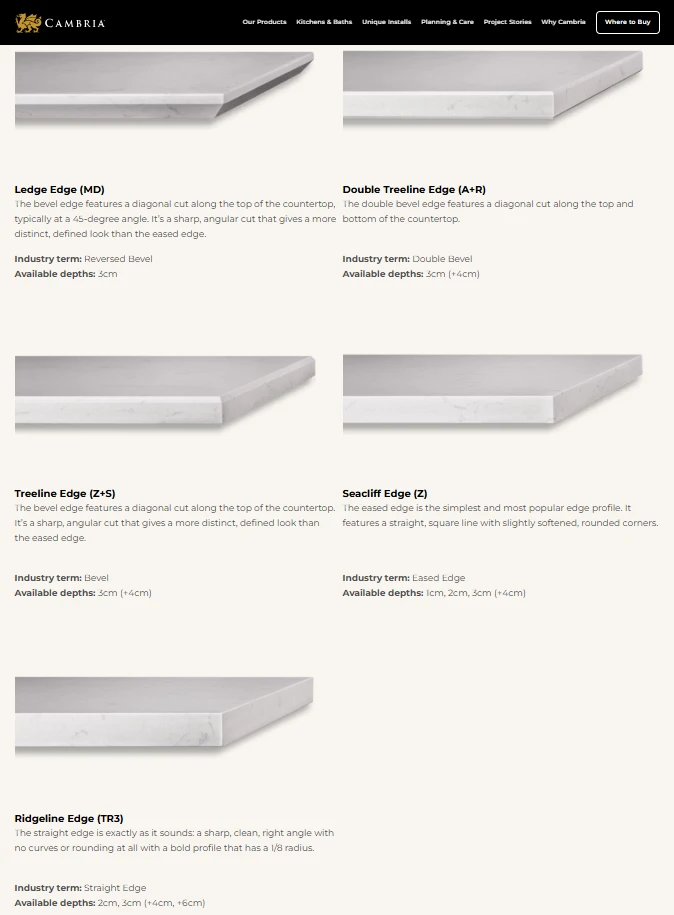
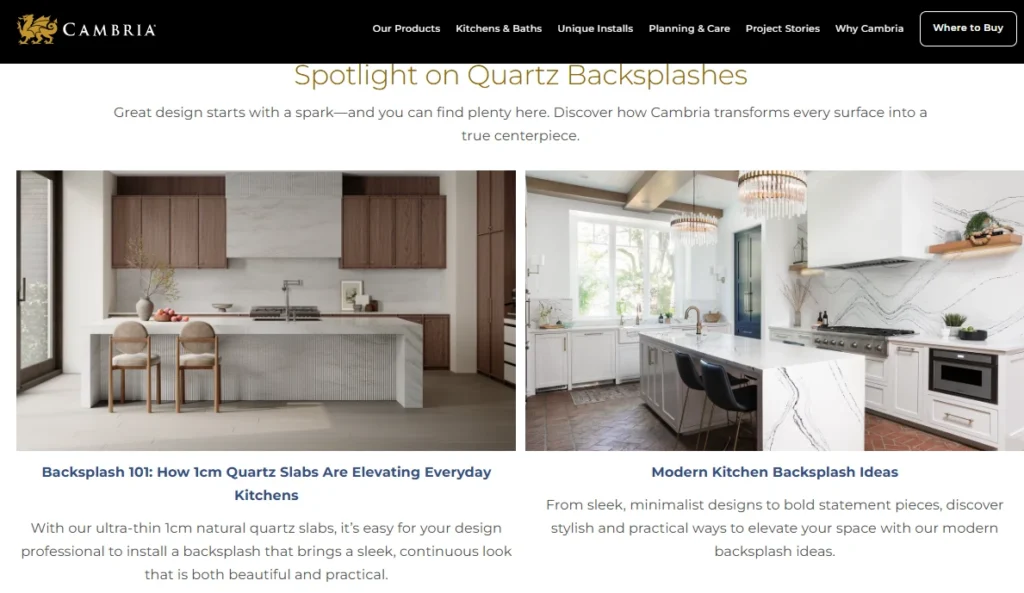
2. Choosing Countertops · Cambria
Hook: Your countertop color is actually one of the last things I’m thinking about when I specify your countertops.
I know. That feels completely backwards.
You see a gorgeous surface and think, “Yep. That one.” Meanwhile, I’m looking at where the seams might land, the edge profile, thickness, backsplash, sink, faucet, cabinetry, and how all of those pieces are going to meet.
And this is where it gets interesting.
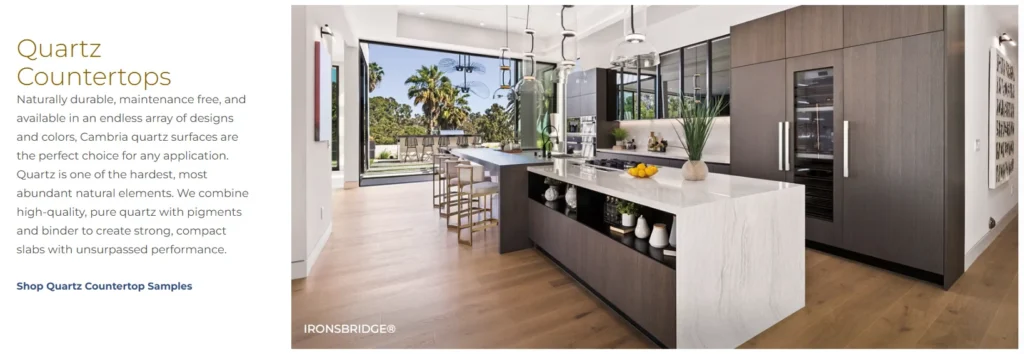
When I’m looking at something like Cambria, I’m not looking at the quartz as one isolated choice. I’m considering how that surface becomes part of the entire kitchen.
Because countertops touch almost everything. Cabinets underneath. Plumbing through them. Appliances beside them. Backsplash above them. Even lighting changes how the surface reads.
Of course we care about the color.
But picking the pretty part is usually the easy part.
The real design work is figuring out how that one choice connects to everything around it.
Caption
Picking a countertop color is the last thing on my mind when I’m specifying one. Here’s what I’m actually looking at first.
@interiordesigncommunity #idcvideo #countertops #interiordesign #kitchendesign
Assets
Press and hold any image on your phone to save it to your camera roll.
3. Nothing Is Happening
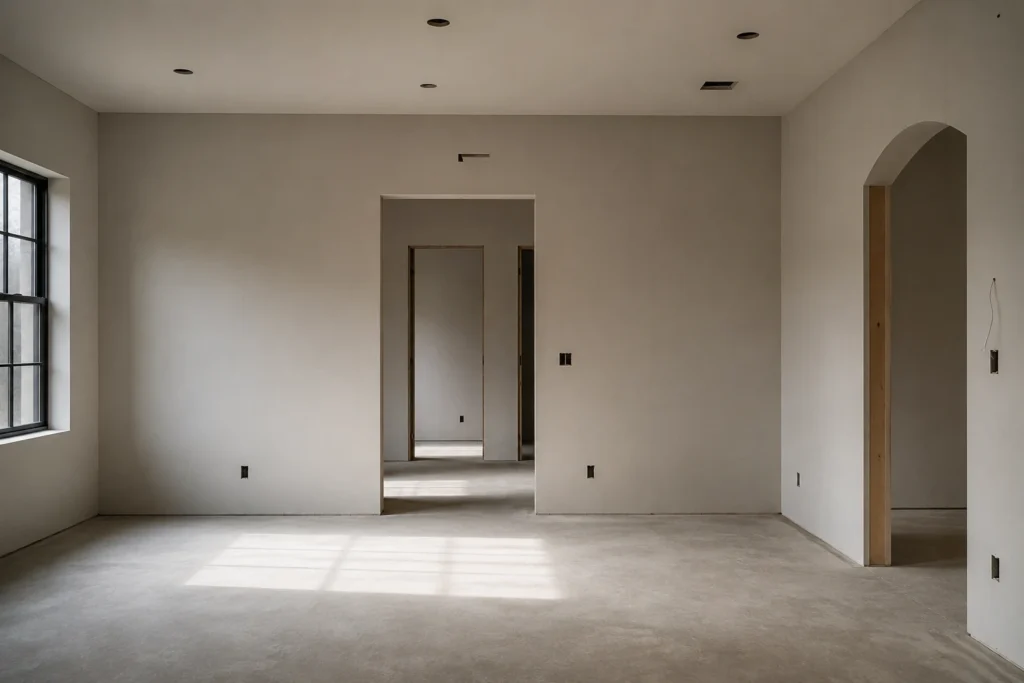
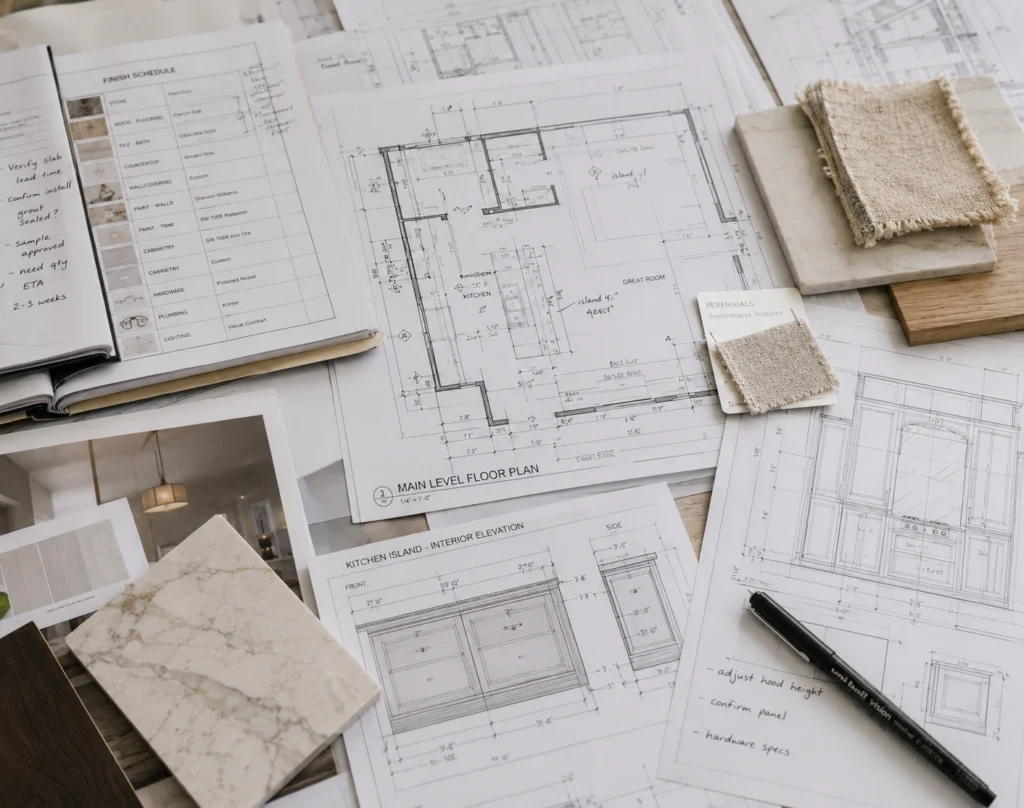
Hook: There are entire days during your design project when it might look like absolutely nothing is happening.
Meanwhile, behind the scenes, your designer may be reviewing shop drawings, confirming measurements, chasing a backordered fixture, checking a tile layout, answering contractor questions, approving samples, and tracking something that was supposed to arrive three weeks ago.
But here’s the part people don’t see.
Those decisions are connected.
Move an outlet and it might affect cabinetry. Change the countertop thickness and now we’re checking clearances. Swap a fixture and somebody needs to confirm the plumbing.
So while your room may look exactly the same as it did yesterday, there can be this giant domino chain happening behind the scenes.
And honestly, that’s a huge part of interior design.
Sometimes the best evidence of your designer’s work is all the problems you never even knew existed.
Caption
Your project looks like it’s stalled. Behind the scenes, it very much is not. Here’s what’s really going on during the “quiet” weeks.
@interiordesigncommunity #idcvideo #interiordesigner #behindthescenes #interiordesign
Assets
Press and hold any image on your phone to save it to your camera roll.

4. Moving Something Two Inches
Hook: Moving something two inches in your house can create a whole chain of problems.
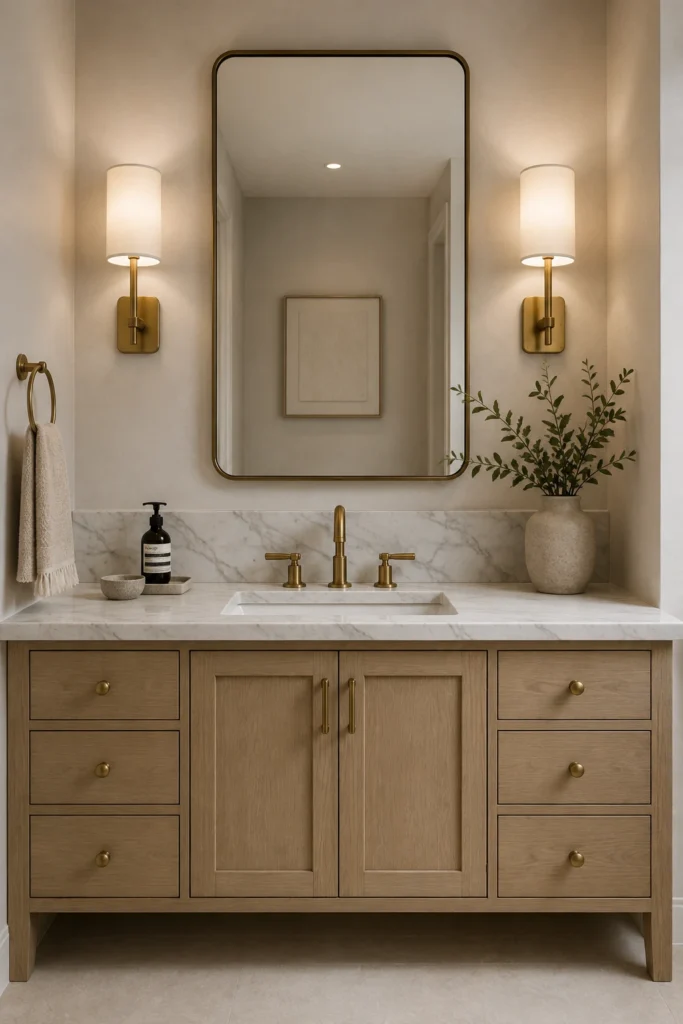
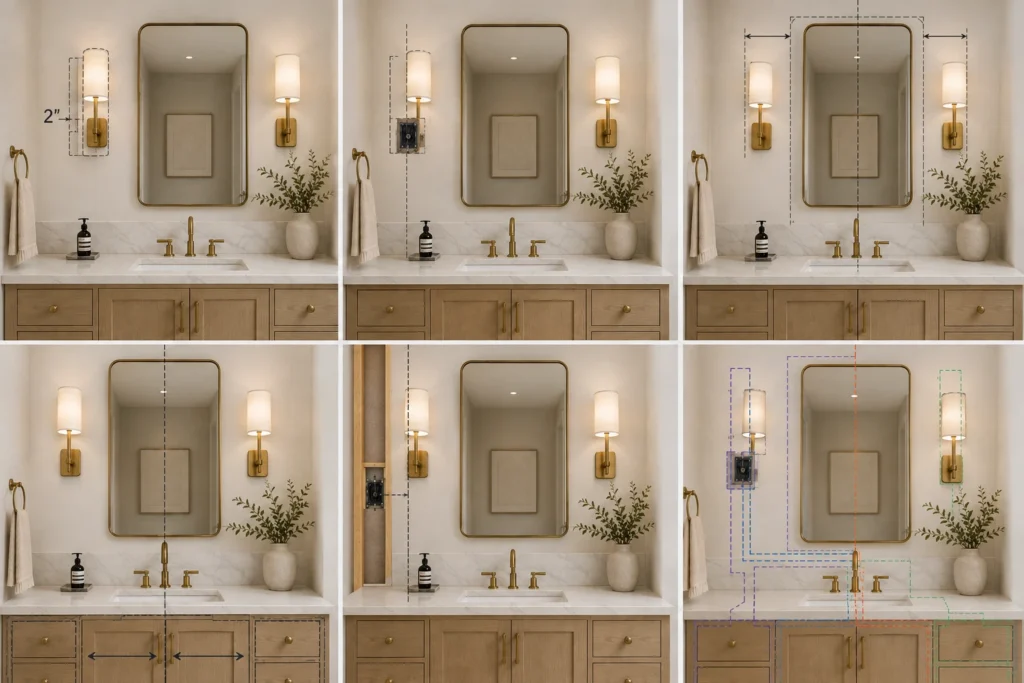
Let’s say I move a bathroom sconce two inches because visually, it belongs just a little farther over.
Easy, right?
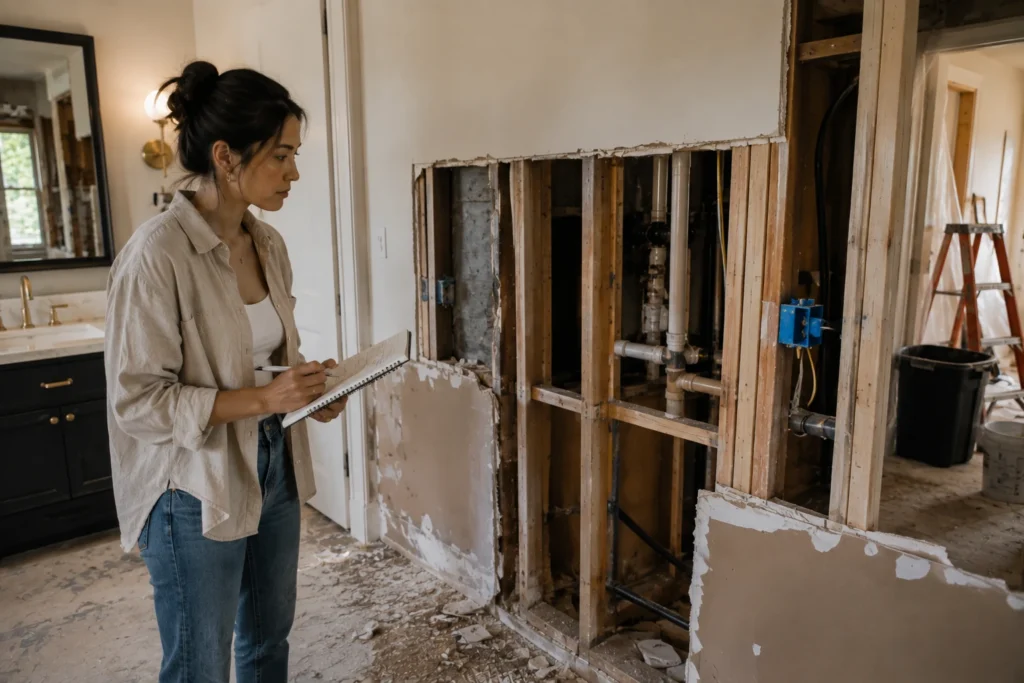
Well, now I’m checking the electrical box. Does it still align with the mirror? Does the mirror align with the sink? Does the sink align with the cabinetry?
And wait. Is there a stud exactly where I now want that electrical box?
Suddenly our tiny adjustment might involve the designer, electrician, cabinetmaker, and whoever is installing the mirror.
This is why I can get weirdly intense about measurements.
I’m not obsessing over two inches because I enjoy making everyone crazy. I’m looking several decisions ahead.
Because once construction starts, almost nothing in a room exists completely on its own.
Move one thing, and you might be moving a whole lot more than you realize.
Caption
Moving one sconce two inches sounds simple. It is not. Here’s the chain reaction nobody warns you about.
@interiordesigncommunity #idcvideo #interiordesign #designprocess #homerenovation
Assets
Press and hold any image on your phone to save it to your camera roll.
5. Vanguard Sofa · Vanguard Furniture
Hook: There’s a reason designers need to know a lot more about a sofa than whether you think it’s pretty.
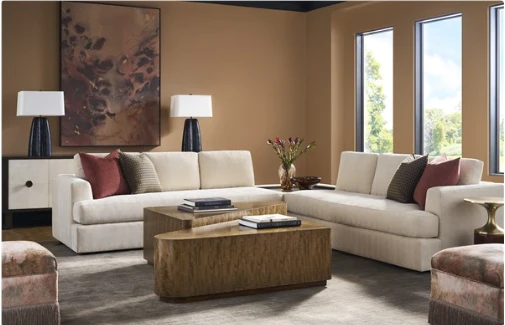
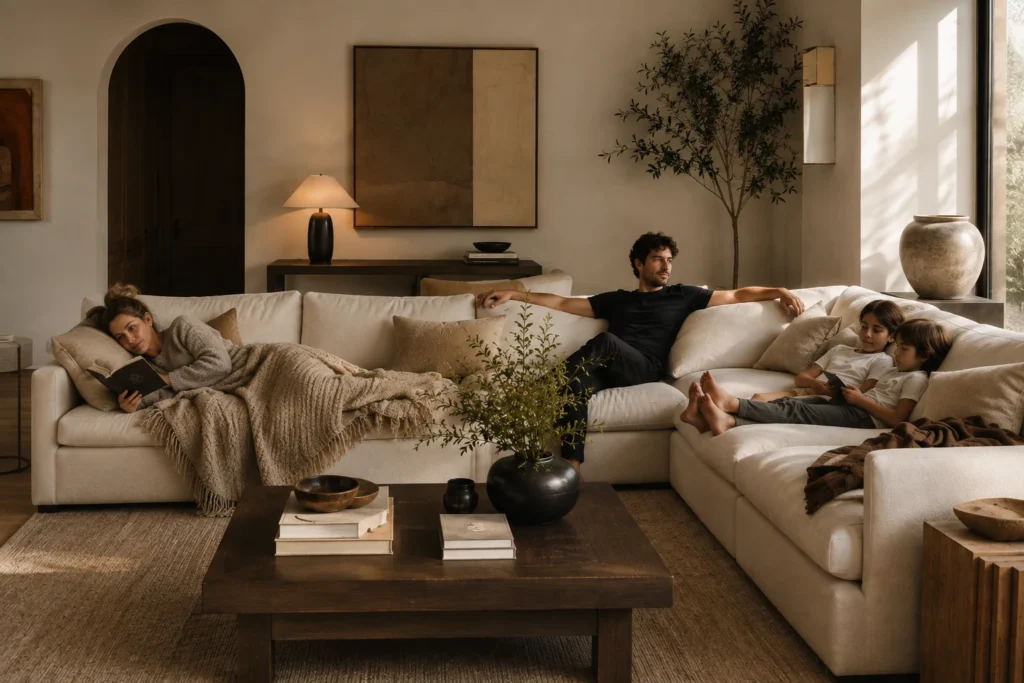
Once I know you love the shape, I want to know how you actually sit.
Do you curl up? Sit upright? Want to sink in? Do kids basically live on this thing? Is someone in your house six-foot-four?
Because the answers change what I’m looking for.
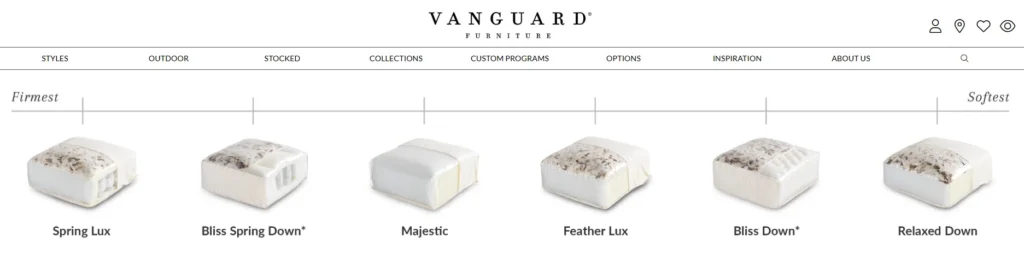
And this is something I appreciate about specifying with Vanguard Furniture. I can get into details like different cushion constructions and support options instead of treating comfort like this completely subjective mystery.
But I’m still not done.
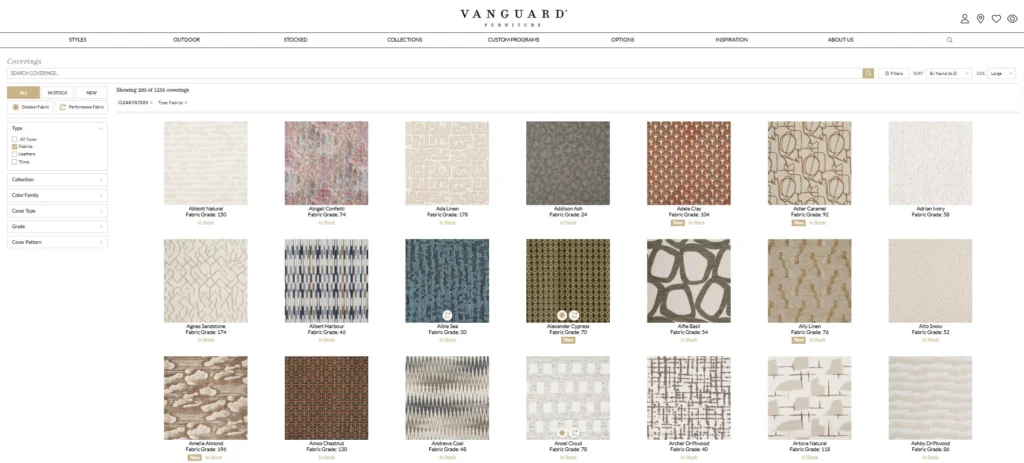
I’m thinking about fabric, dimensions, traffic flow, how you live, and yes, whether the sofa can physically make it through your doorway.
That’s the difference between finding a pretty sofa and specifying one.
The sofa has to look right in the room, but more importantly, it has to feel right for the people actually living on it.
Caption
Loving the shape of a sofa is step one. Here’s everything else I need to know before I specify it for you.
@interiordesigncommunity #idcvideo #interiordesign #sofagoals #furnituredesign
Assets
Press and hold any image on your phone to save it to your camera roll.
6. Expensive Design Mistakes
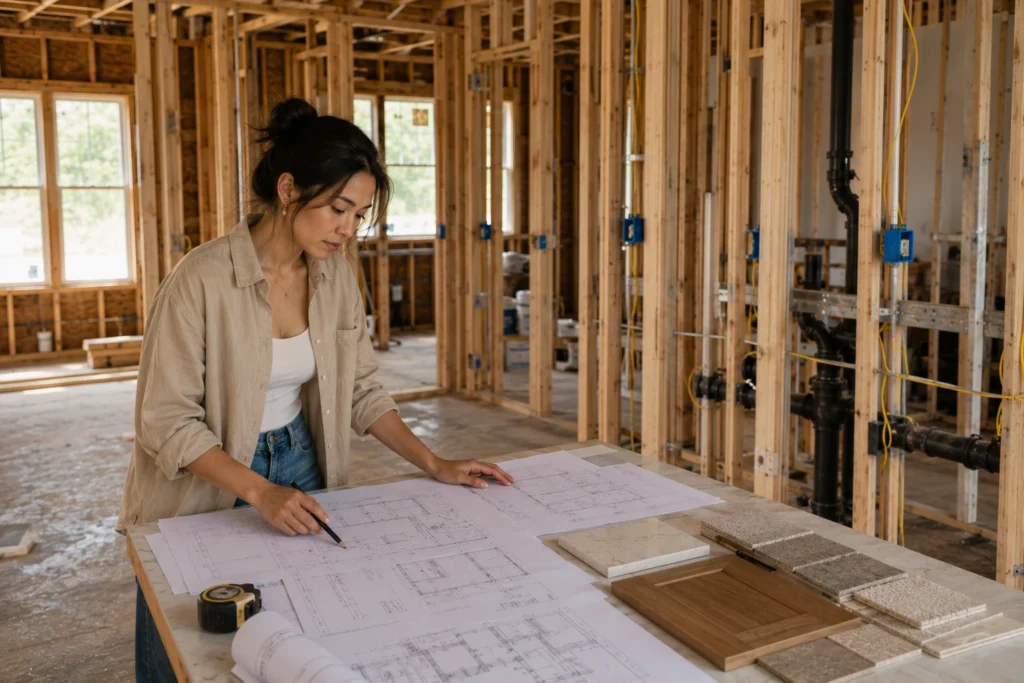
Hook: Some of the most expensive design mistakes happen before there’s anything pretty in the room to look at.
Which is incredibly unfair because this is also the phase everyone wants to hurry through.
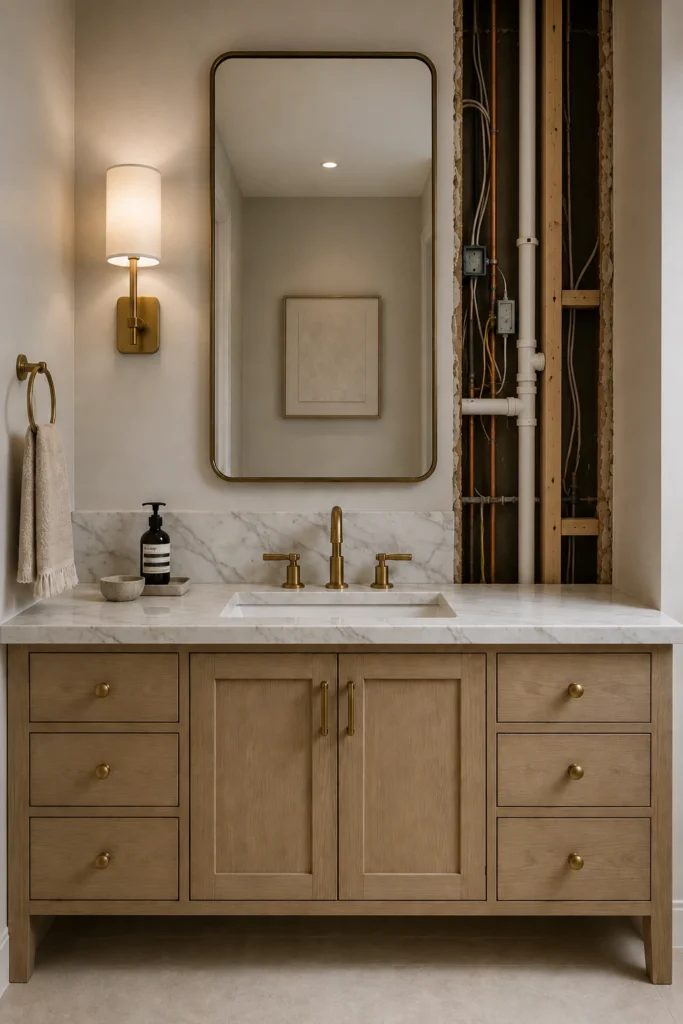
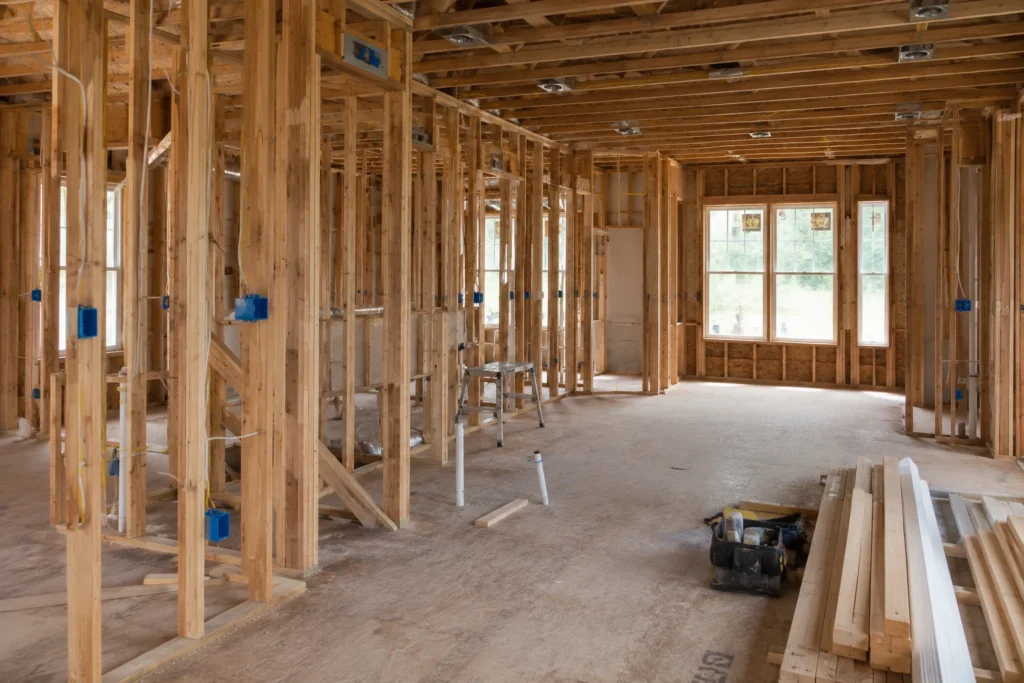
The walls are open. There’s dust everywhere. Nobody is emotionally attached to an outlet location yet.
But your designer is already thinking about where the furniture will eventually sit, where sconces need to land, door swings, television placement, lighting, and where you’re actually going to plug things in.
Because here’s what happens next.
Drywall goes up. Tile gets installed. Cabinetry arrives. Stone gets cut.
And suddenly that tiny decision nobody cared about three weeks ago is a much bigger deal to change.
This is why designers spend so much time planning things you can’t even see yet.
The pretty part comes later.
A huge amount of design is making the boring decisions early enough that they never become expensive decisions later.
Caption
The most expensive design mistakes happen before the room even looks pretty. Here’s what your designer is really thinking about during demo.
@interiordesigncommunity #idcvideo #interiordesign #renovationtips #homedesign
Assets
Press and hold any image on your phone to save it to your camera roll.
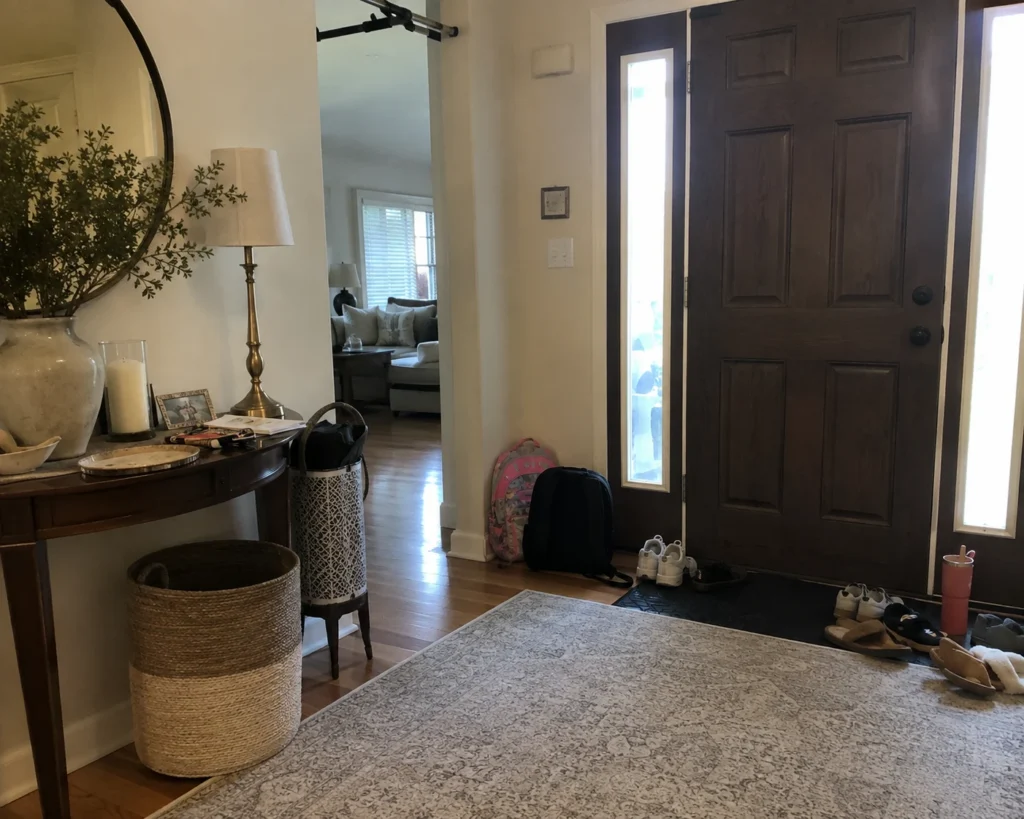
7. Entryway Drop Zone
Hook: Where you throw your keys when you walk through the door tells me something surprisingly useful about how I should design your home.
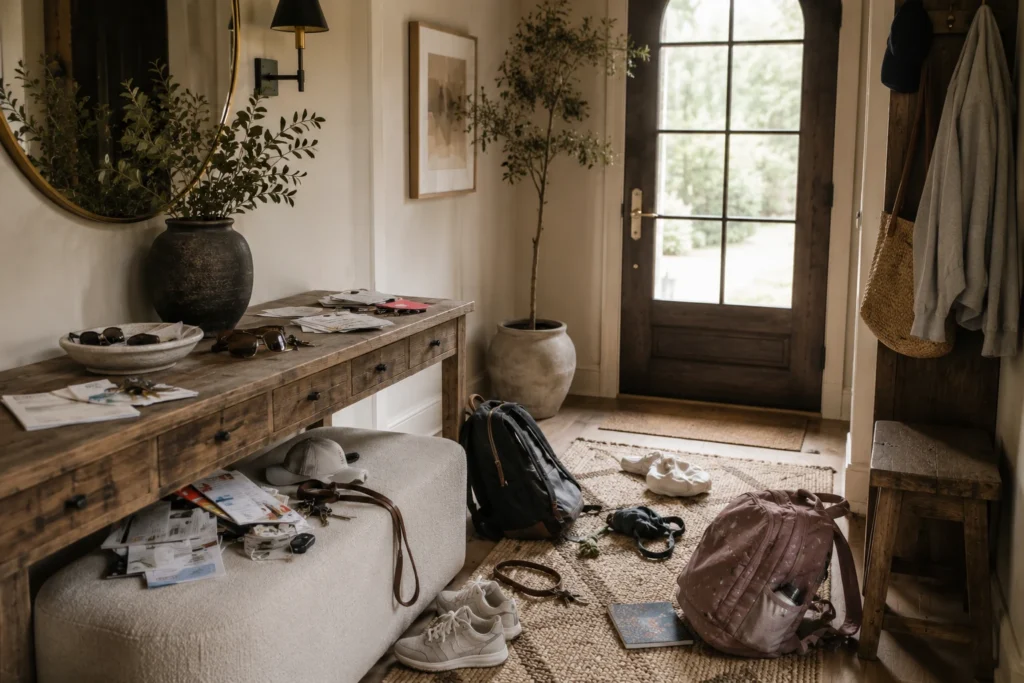
Because everybody has a drop zone.
Keys. Mail. Sunglasses. Purse. Backpack. Dog leash. That random receipt you’re apparently keeping forever.
And if I design a gorgeous entry without paying attention to where that stuff naturally lands, guess what happens?
You create your own drop zone.
Usually on the kitchen counter.
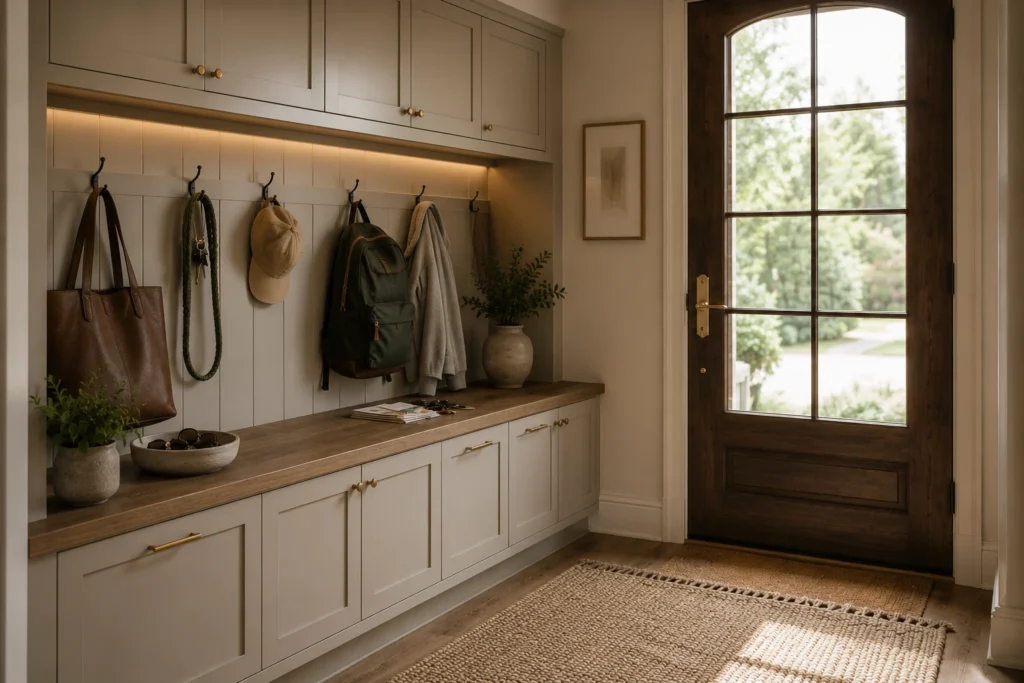
So I want to know which door you actually use. What’s in your hands when you come through it? Do the kids enter there too? Where do shoes go? Where does the dog leash need to be at six in the morning?
Those questions may not sound like interior design, but this is how we make a home function.
I’m not trying to force your life into a beautiful room.
I’m trying to make the beautiful room work with the life you already have.
Caption
Where you drop your keys says more about your design than you’d think. Let’s talk drop zones.
@interiordesigncommunity #idcvideo #entrywaydesign #interiordesign #organizationtips
Assets
Press and hold any image on your phone to save it to your camera roll.
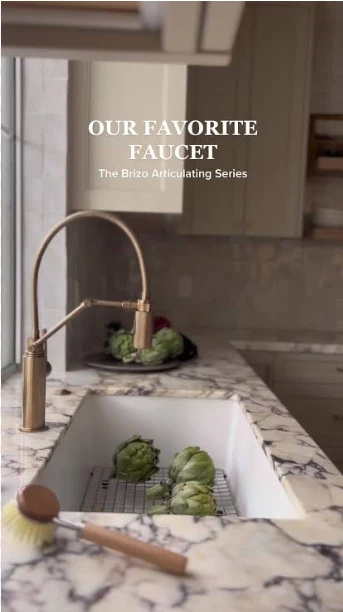
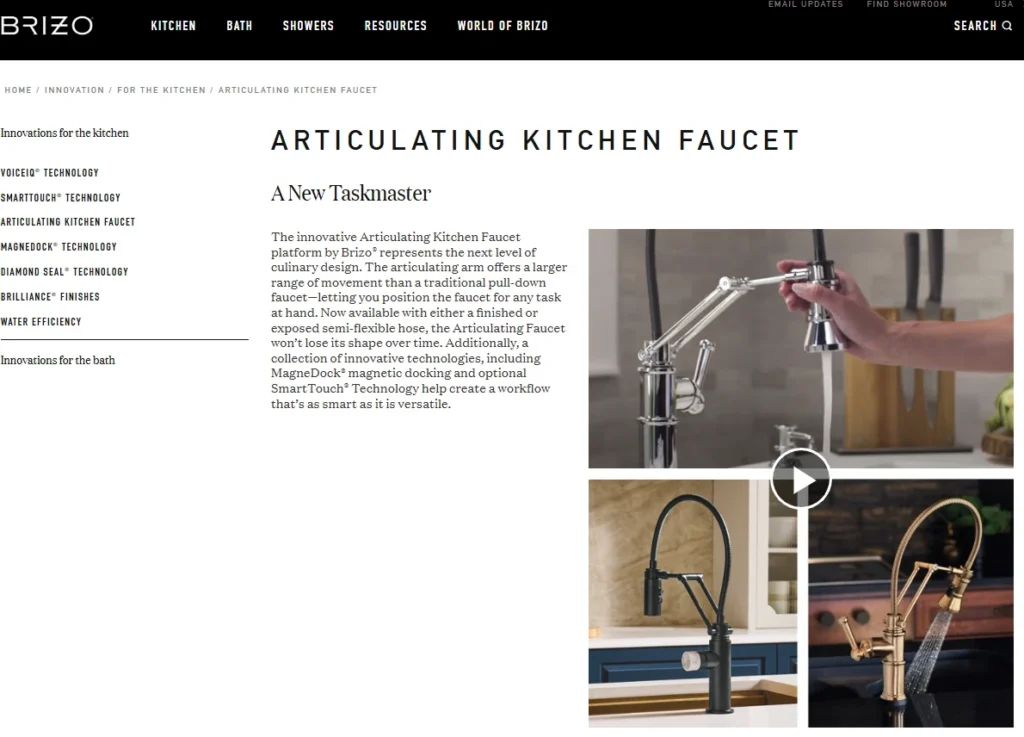
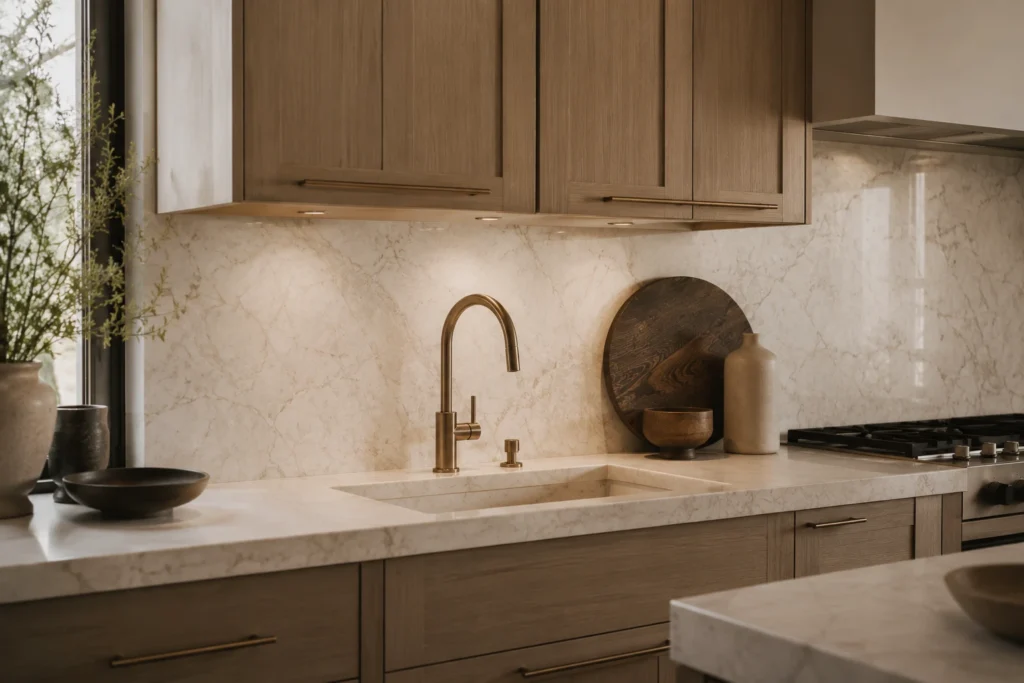
8. The Domino Effect of Choosing a Faucet · Brizo
Hook: Choosing a faucet can quietly affect a whole chain of other decisions in your kitchen.
Because I’m not just looking at it and thinking, “Ooh, pretty finish.”
I’m thinking about the sink, countertop, placement, clearances, spout reach, and how you actually use that area every day.
And this is where a faucet like Brizo gets interesting from my perspective as a designer.
Take an articulating faucet. That movement isn’t just a cool feature. Now I’m thinking about how you use that flexibility at the sink and whether the faucet’s placement gives it the room to function the way it was intended.
That’s the stuff I’m paying attention to.
A faucet isn’t sitting alone on a mood board. Eventually it has to work with the sink, stone, cabinetry, plumbing, and the actual person standing there washing a giant pasta pot.
Because nothing makes you question all your kitchen decisions faster than realizing your favorite pot is way too freaking big for the space you gave it.
Specifying is really about making sure all those individual decisions work together once they leave the mood board and enter real life.
Caption
Picking a faucet isn’t just about the finish. It’s a domino effect through your entire kitchen. Here’s why.
@interiordesigncommunity #idcvideo #kitchendesign #interiordesign #faucetgoals
Assets
Press and hold any image on your phone to save it to your camera roll.

9. Views of Install Day
Hook: The install day you see and the install day your interior designer experiences are two VERY different things.
You see the sofa coming through the door. Art going up. Pillows getting fluffed. Finally, the fun part.
Your designer?
We’re checking deliveries, looking for damage, directing installers, protecting floors, confirming measurements, adjusting placement, steaming fabric, styling shelves, and figuring out why one chair apparently went on vacation without telling anyone.
And somehow we’re supposed to look calm while doing it.
But here’s the funny part.
A really good install should feel almost boring to the client.
Things arrive. They go where they belong. The room comes together.
That calm little reveal is usually sitting on top of months of ordering, tracking, coordinating, checking, solving, and planning.
The magic of install day isn’t that everything suddenly comes together.
It’s that someone has been making sure it would for months.
Caption
What you see on install day and what your designer is doing on install day are two very different movies.
@interiordesigncommunity #idcvideo #installday #interiordesign #behindthescenes
Assets
Press and hold any image on your phone to save it to your camera roll.



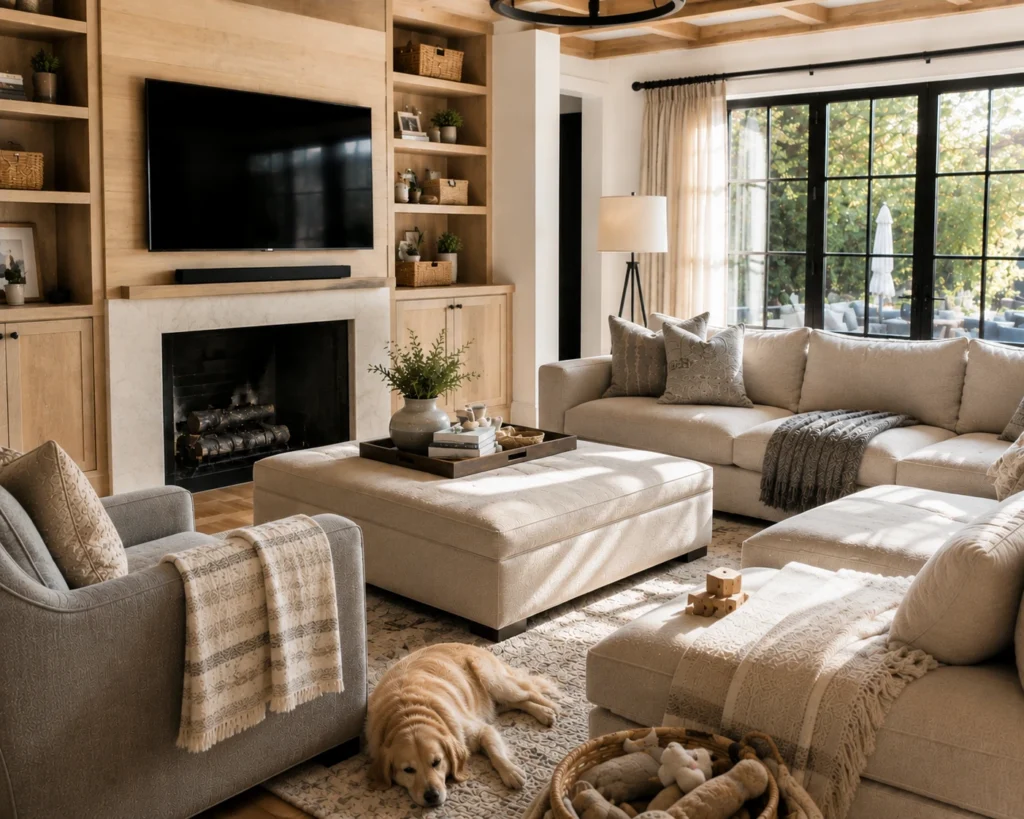
10. Kids, Pets & Messy Habits
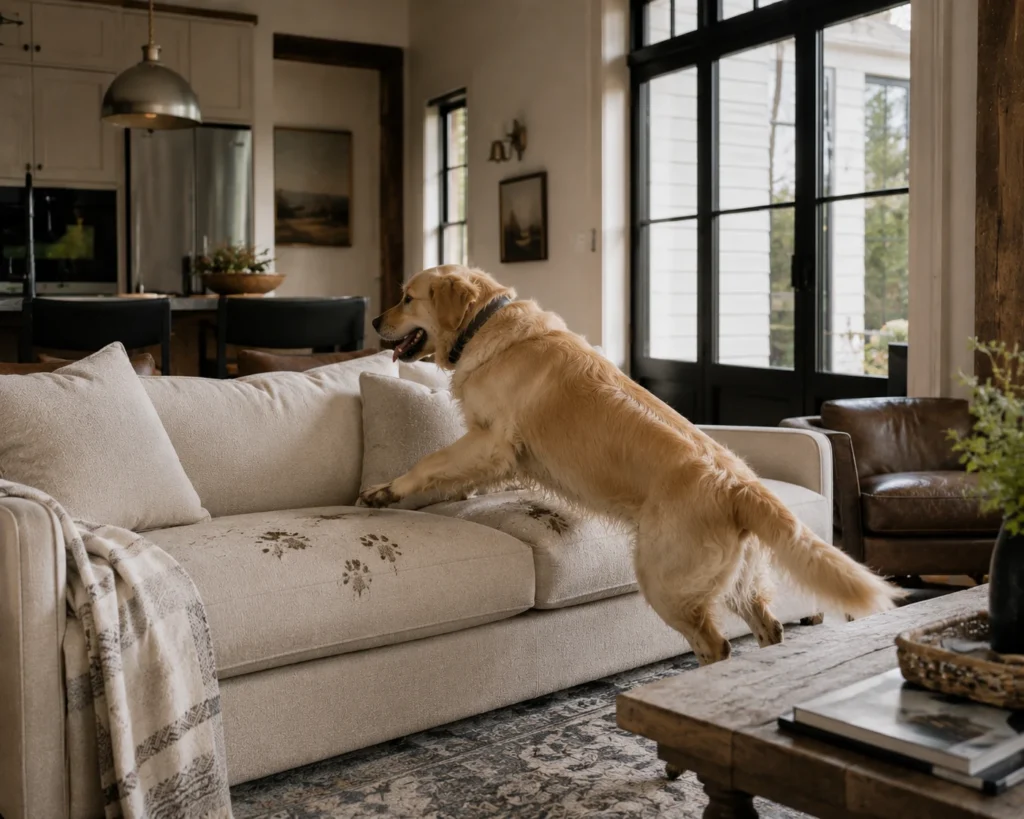
Hook: If your designer starts asking where your dog sleeps and where your kids dump their backpacks, there’s a very good reason.
Actually, I want to know the slightly embarrassing stuff.
Does the dog launch himself onto the sofa with muddy paws? Do your kids eat snacks in the living room? Is there permanently a pile of shoes by one door?
Tell me.
Because now I can design for it.
Maybe I’m thinking differently about upholstery. Maybe we need closed storage exactly where the backpacks naturally land. Maybe that beautiful little bench needs to survive cleats, wet mittens, and somebody standing on it to find their other shoe.
Here’s the thing. I’m not designing for the imaginary version of your family who always puts everything away.
I’m designing for the people who actually live there.
And the more honest you are about the mess, habits, pets, and chaos, the better I can make the beautiful parts work around them.
Caption
Muddy paws. Snack crumbs. A permanent pile of shoes. Tell me the messy stuff, I promise it makes your design better.
@interiordesigncommunity #idcvideo #interiordesign #familyfriendlydesign #homedesign
Assets
Press and hold any image on your phone to save it to your camera roll.
Stuck on any of these?
Bring it to office hours, Tuesday at 12:00pm ET, or submit a question ahead of time on the hub.