

A note from Laurie
This week pairs a little design history with some real business numbers. On the history side: antique mirrors, doors that open onto nothing, tables built just to hold a candle, and joinery that has held furniture together for centuries. Our brand spotlights are Palecek on handwoven furniture, Woodbridge Furniture on traditional construction, and Dovetail on why solid wood keeps moving. If you only have time to film two, start with Who’s Actually Hiring Designers? and Where the Design Money Is, because both put real industry data in front of your followers and end with a question they’ll want to answer.
Ten fresh scripts below. Tap any title to open it. Everyone picks different ones, so your videos stay uniquely yours. Choose the two that best fit your voice and your clients, film them, and tag #idcvideo and @interiordesigncommunity when you post.
Filming tip: Record a quick five second test and play it back with the sound on before you film the real take. You’ll catch a dim face, a harsh shadow, a humming fan, or the top of your head cut off in seconds, not after you’ve recorded the whole script.
1. The Mystery of Antique Mirrors
Hook: What are your thoughts on people paying extra for mirrors that are literally deteriorating?
I actually understand why because I love a beautiful antique mirror.
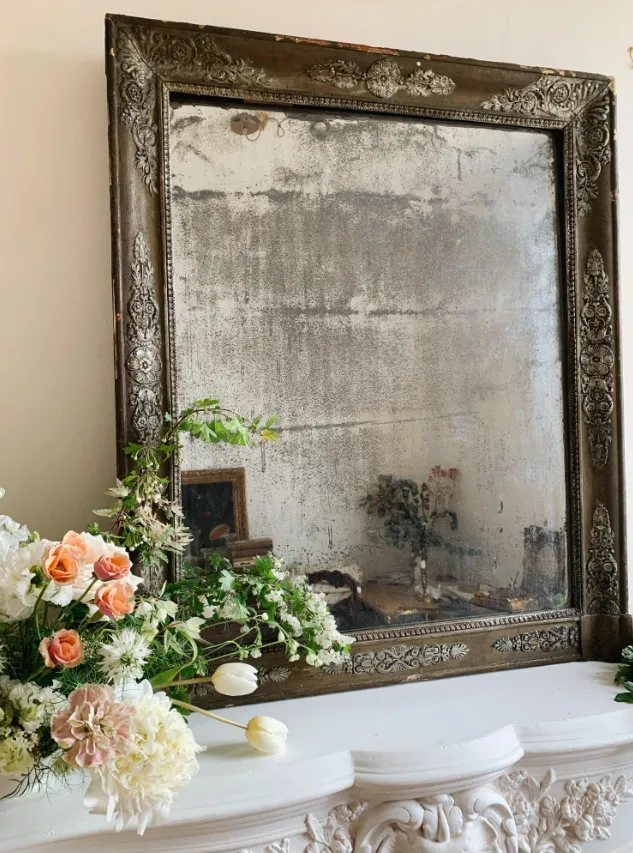
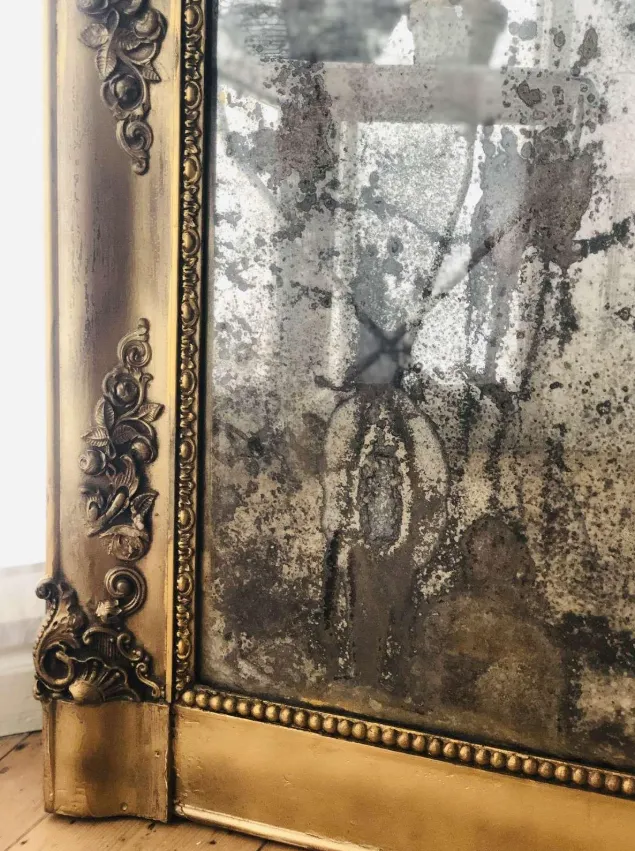
But you know those dark spots and cloudy edges?
A lot of that comes from the reflective backing breaking down over time.
Some very old mirrors used a tin mercury amalgam and later silver backed glass became much more common.
Moisture and damage to the backing can create those wonderful irregular patterns.
If the glass itself is old enough you might even notice little waves or distortions from the manufacturing process.
Apparently we love that aged look so much that manufacturers have gotten very good at recreating it on brand new mirrors.
Some of them are really gorgeous too.
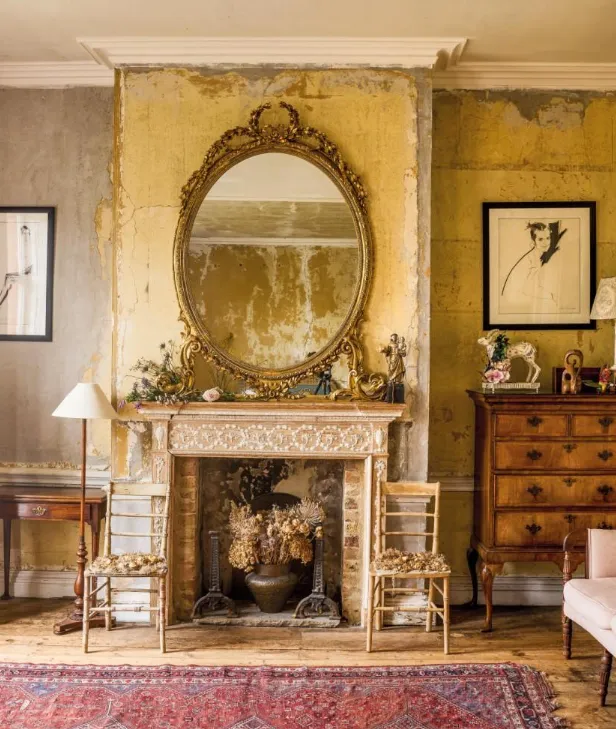
With a genuine antique though all those little imperfections are part of the mirror’s actual history. That’s pretty fascinating.
And I always find it a little funny that we spend so much time trying to keep everything looking new then turn around and pay extra for something that’s been aging for a hundred years.
But it’s totally worth it!
Caption
Those dark spots on antique mirrors are literal history. Do you lean towards a genuine antique or a newly antiqued mirror?
@interiordesigncommunity #idcvideo #AntiqueMirrors #DesignHistory #InteriorDesign
Assets
Press and hold any image on your phone to save it to your camera roll.
2. The Art of Weaving Furniture · Palecek
Hook: Wicker isn’t actually a material. You might be surprised how many people don’t know that.
Wicker is a weaving technique.
And you can actually use all kinds of materials for it including rattan, willow, bamboo, and even synthetic fibers.
Rattan comes from a climbing palm and it can be used to create some pretty incredible furniture.
The thicker canes can be heated and bent into those beautiful curved frames.
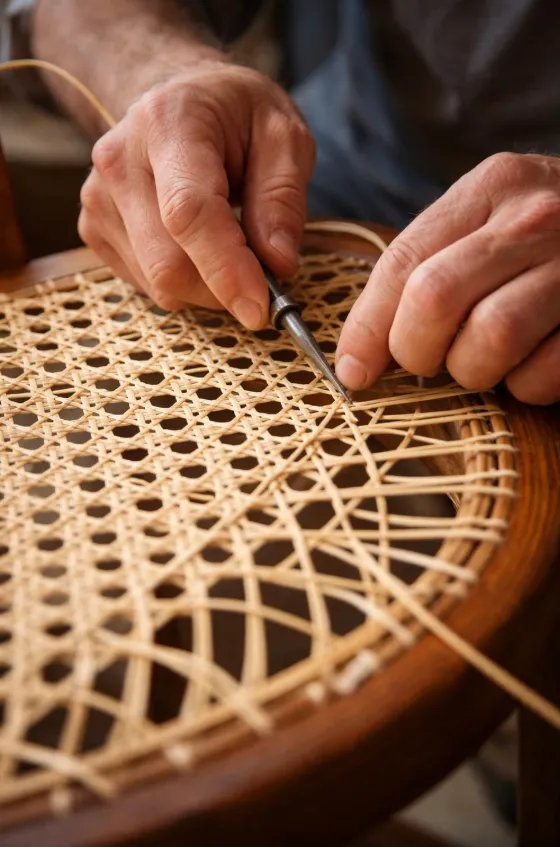
Then comes the weaving and getting all those strands to follow the shape of the frame takes a surprising amount of skill.
And if you’ve ever watched someone weave a chair by hand you know how much patience that takes. One uneven section can throw off the whole pattern.
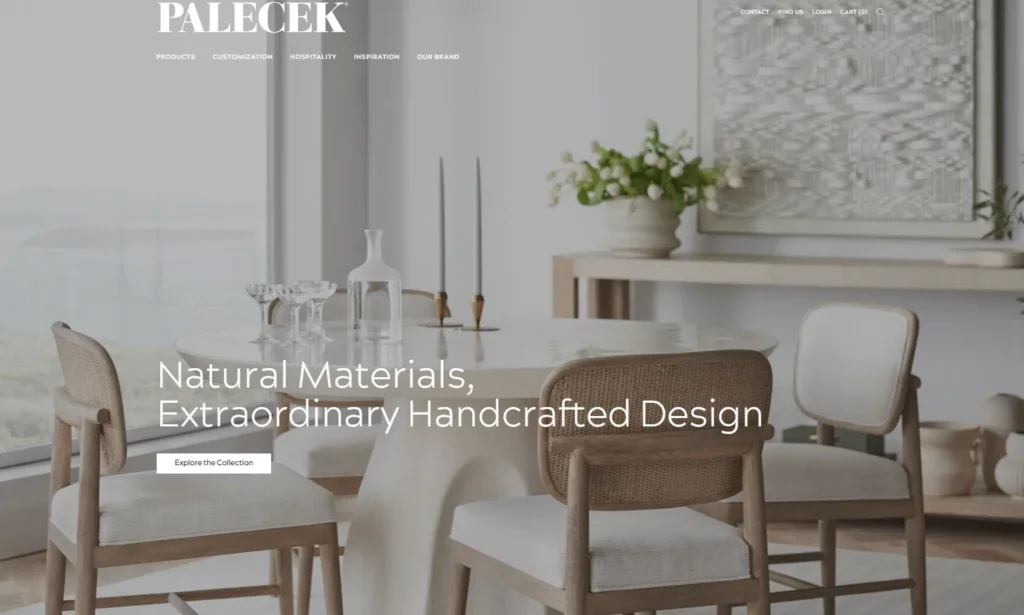
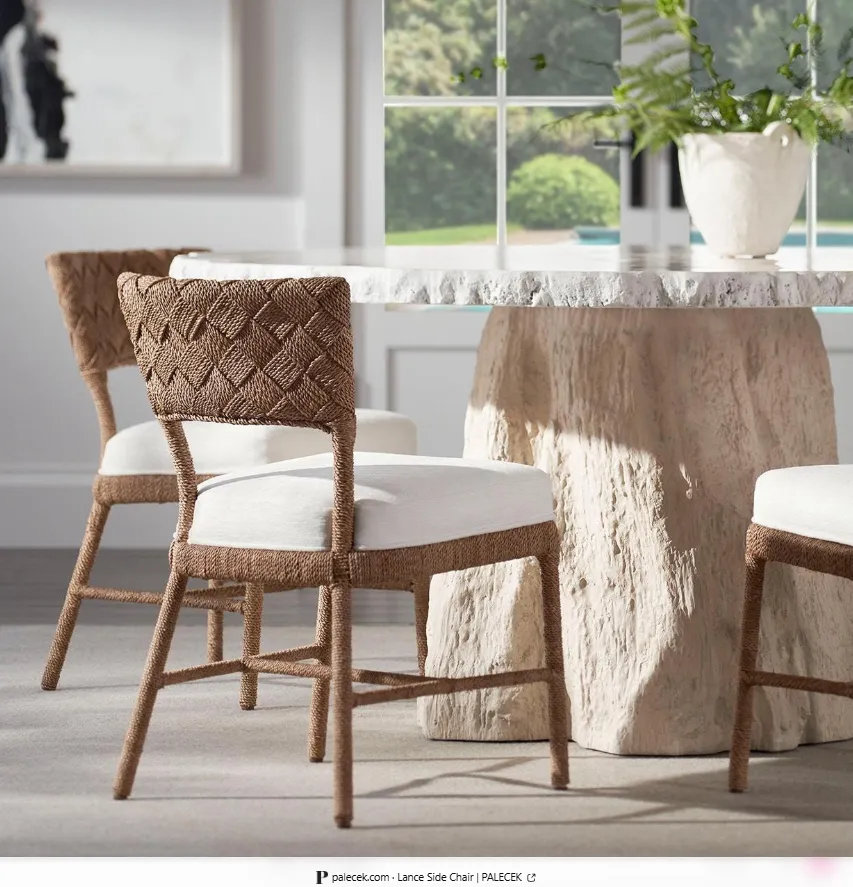
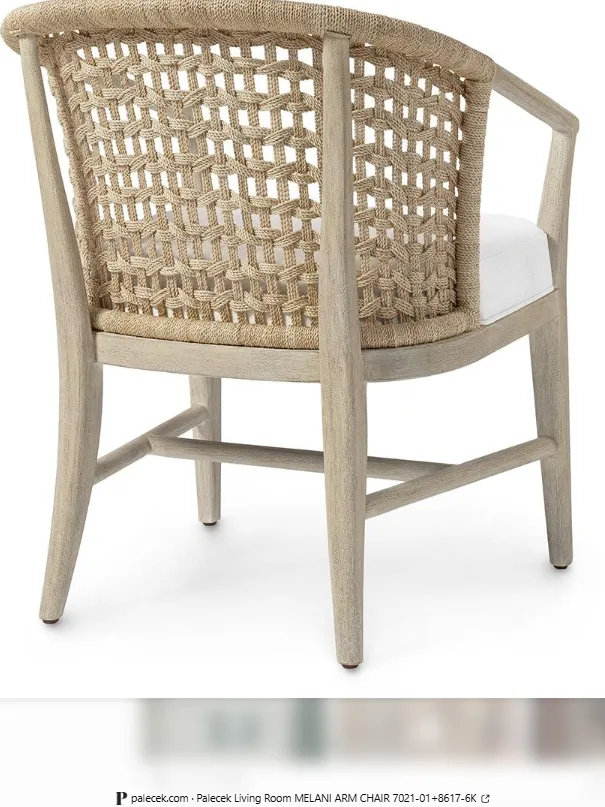
Palecek is one of those brands that really makes me appreciate handwoven furniture.
Some of their woven chairs have these really intricate shapes and I always find myself looking closely at how the weaving follows every curve.
How tightly the strands are woven together.
How the material attaches to the frame.
Whether they can keep the pattern consistent across the entire piece.
And honestly, once you start paying attention to those little details it’s hard to look at woven furniture the same way again.
Caption
Wicker is a technique, not a material. That’s just one reason woven furniture is so interesting.
PALECEK is known for its handcrafted furniture, lighting, and accessories often incorporating natural materials like rattan and abaca along with beautiful woven details. Their collections are a great example of how much texture and personality woven materials can bring into a space.
Have you ever seen furniture being woven by hand?
@interiordesigncommunity #idcvideo #Palecek #FurnitureCraftsmanship #WovenFurniture
Assets
Press and hold any image on your phone to save it to your camera roll.
3. Doors to Nowhere
Hook: I’ve always wondered why there’s a door in some old houses that opens to absolutely nothing.
I got curious and had to look into why these doors exist in the first place.
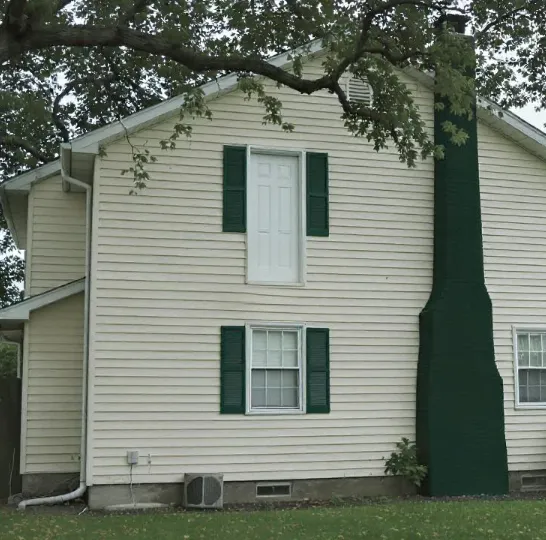
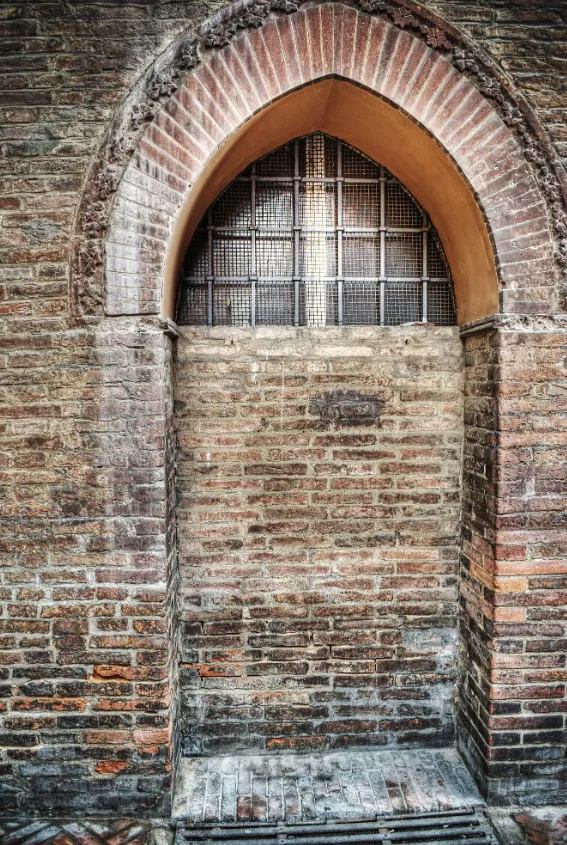
You’ll see a doorway halfway up an exterior wall.
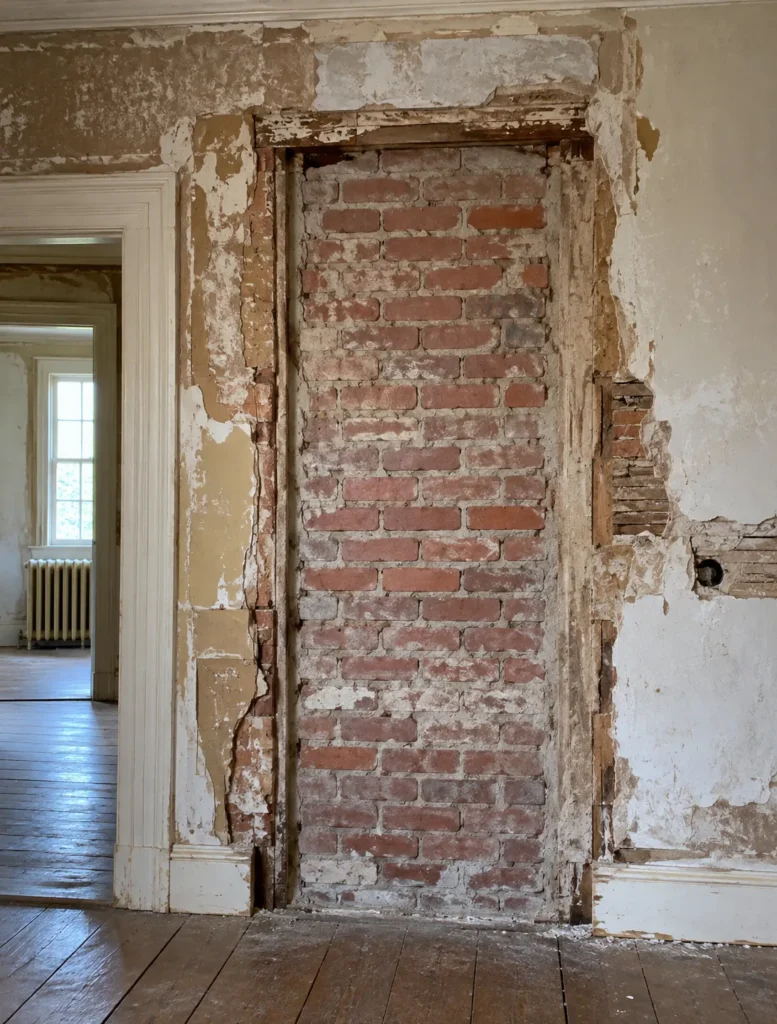
Or a door inside a house that opens directly onto brick.
And of course people immediately start inventing all kinds of stories about secret passages and haunted houses.
But a lot of these odd doors are actually leftovers from renovations.
Old houses evolved over generations.
Families added rooms, moved walls, relocated staircases, and sometimes demolished entire sections of a building.
And every once in a while the original doorway just stayed there.
Imagine removing a staircase but never closing up the door upstairs. Now you’ve got a door to nowhere.
Sometimes those doors led to an old porch or balcony that was removed decades ago.
Sometimes that doorway is the only clue the porch was ever there.
You’re basically looking at evidence of a decision somebody made a hundred years ago.
And I love that old houses still have these little clues about what they used to look like.
Caption
Old houses are full of strange little architectural mysteries. Have you ever found a doorway that made absolutely no sense?
@interiordesigncommunity #idcvideo #HistoricHomes #ArchitectureHistory #DesignHistory
Assets
Press and hold any image on your phone to save it to your camera roll.
4. Beautiful Rooms, Bad Photos
Hook: It always surprises me when I see gorgeous rooms look absolutely terrible in photographs.
It’s usually not the room’s fault at all.
You finish a project, everything looks balanced, the proportions are beautiful.
Then someone takes a picture and suddenly the sofa looks enormous and the whole room just looks wrong.
A lot of that comes down to the camera lens.
Wide angle lenses capture more of a room but they can exaggerate perspective.
Objects closer to the camera look larger and things near the edges can get stretched.
And then there’s the camera angle.
Tilt the camera upward or downward and suddenly your walls look like they’re leaning.
And photographing rooms with huge windows?
That’s another challenge entirely.
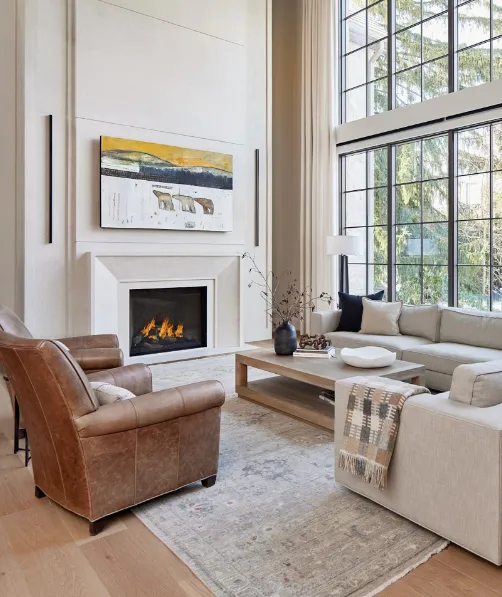
Our eyes adjust to bright windows and dark interiors much better than a single camera exposure.
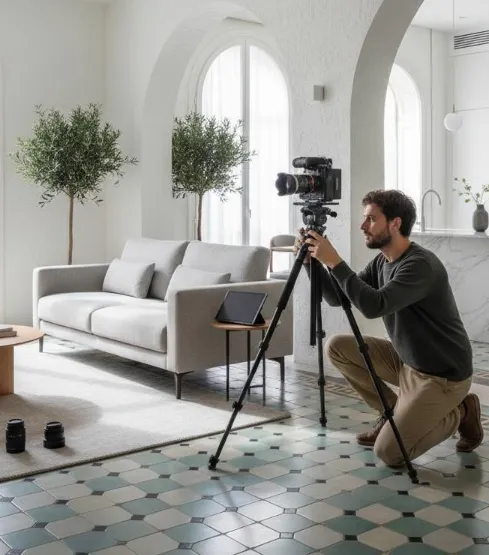
Professional interior photographers know how to work around those problems.
Which is why I always tell designers to include professional photography in the project budget from the beginning.
You’ve spent months of blood, sweat, and tears creating a beautiful room.
The last thing you want is a set of photographs that don’t do your project justice.
Caption
A beautiful room doesn’t automatically make a beautiful photograph. Budgeting for photography in your scope of work is so important!
@interiordesigncommunity #idcvideo #InteriorPhotography #DesignBusiness #InteriorDesign
Assets
Press and hold any image on your phone to save it to your camera roll.
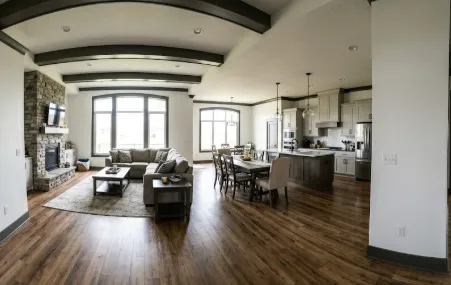
5. Who’s Actually Hiring Designers?
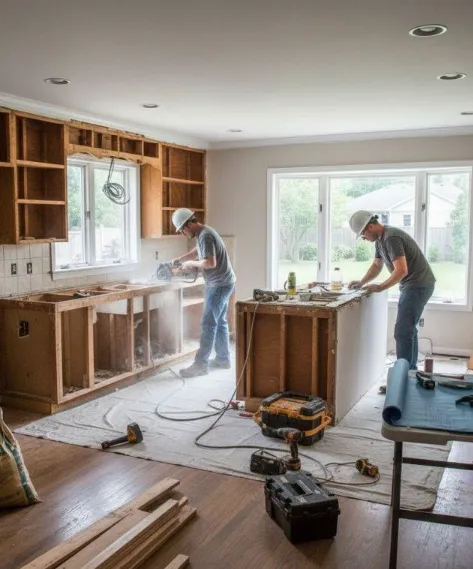
Hook: Did you know that only 12% of homeowners in a recent kitchen renovation survey hired an interior designer?
I was looking at the 2026 Houzz Kitchen Trends Study which surveyed 1,780 homeowners involved in kitchen renovations.
87% hired at least one professional for those projects but only 12% hired an interior designer.
Now, 22% hired a kitchen designer and nearly half hired a general contractor.
And those categories can overlap.
But think about how much design goes into a kitchen.
Cabinetry, lighting, materials, finishes, all those decisions and homeowners aren’t necessarily bringing in someone with the title of interior designer to help make them.
I wonder how many homeowners think a kitchen designer and an interior designer do exactly the same thing. Because depending on the project those roles can overlap quite a bit but they aren’t always interchangeable.
I think there’s an opportunity here.
Maybe homeowners don’t understand everything an interior designer can help with.
Or maybe we’re not reaching them early enough in the renovation process.
Either way, I think we need to figure out how to get into those conversations before homeowners have already made all the big decisions.
What do you think?
Caption
Only 12% of surveyed kitchen renovators hired an interior designer. That’s a number worth discussing. This tells me we need to make ourselves part of the conversation for homeowners much earlier in the renovation process.
@interiordesigncommunity #idcvideo #InteriorDesignBusiness #KitchenDesign #DesignIndustry
Assets
Press and hold any image on your phone to save it to your camera roll.

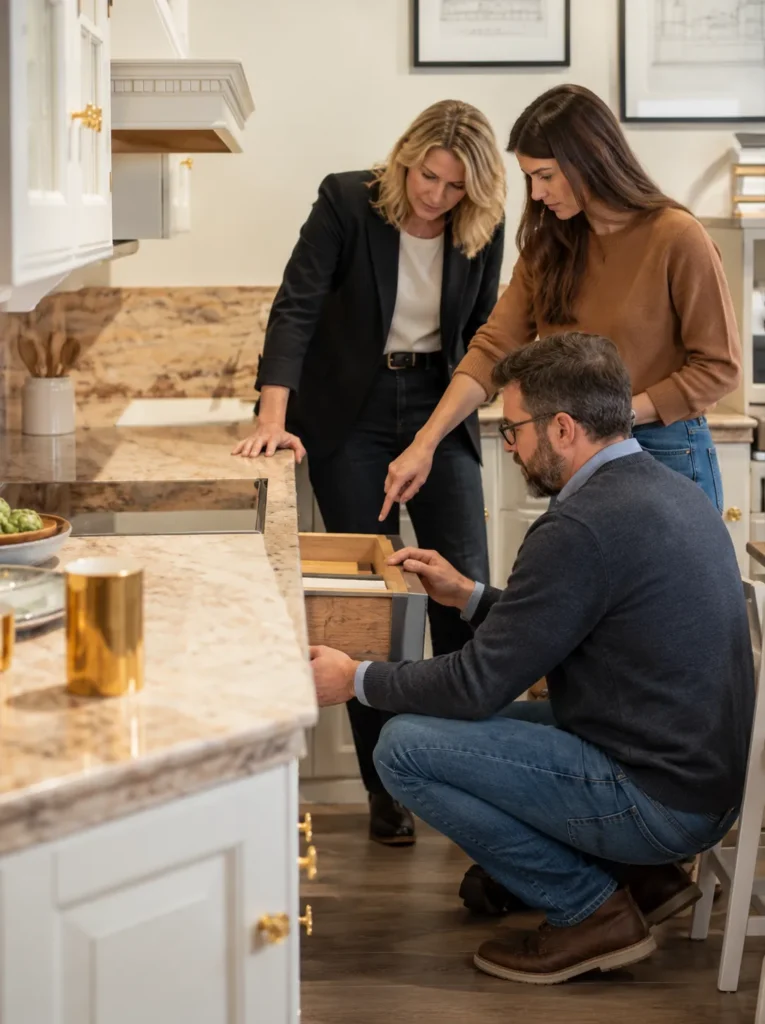
6. Centuries Old Furniture Secrets · Woodbridge Furniture
Hook: I have to say some of the best furniture construction techniques I’ve seen are hundreds of years old.
And I wish more people knew what to look for when they’re buying furniture.
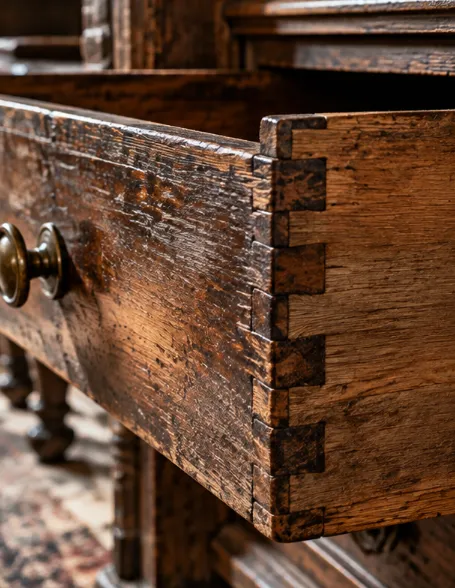
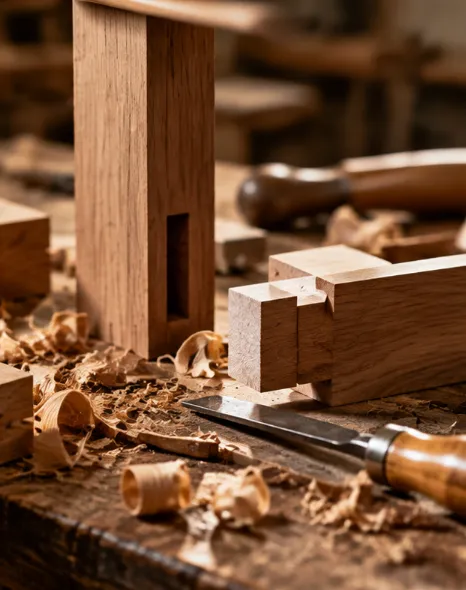
Take dovetail joints.
Those little interlocking pieces of wood you sometimes see on the corners of drawers?
They’re designed to resist the pulling forces that happen every time you open a drawer.
And here’s what I love about them. The shape of the joint actually helps keep those pieces of wood from pulling apart.
And then there’s mortise and tenon construction.
That’s where a projecting piece of wood fits into a carefully cut opening in another piece.
It’s been used for centuries in furniture and timber construction.
Depending on how the joint is made it can be glued, pinned, or secured with a wooden wedge. Some of these old construction methods are really fascinating when you see them up close.
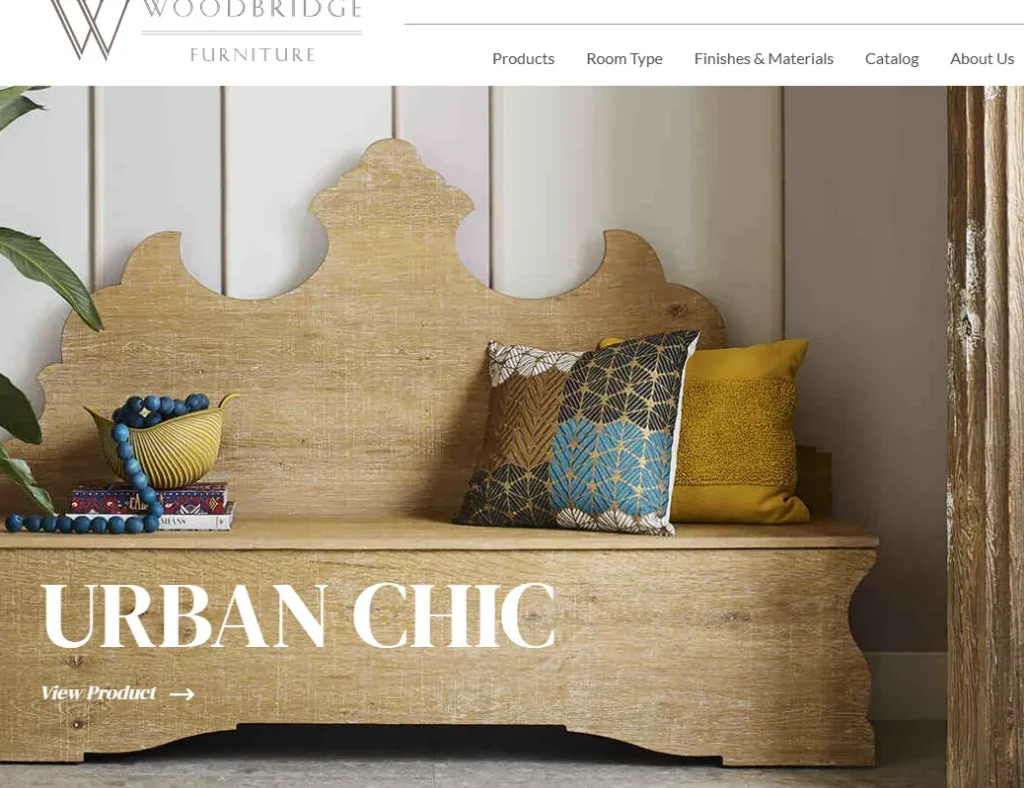
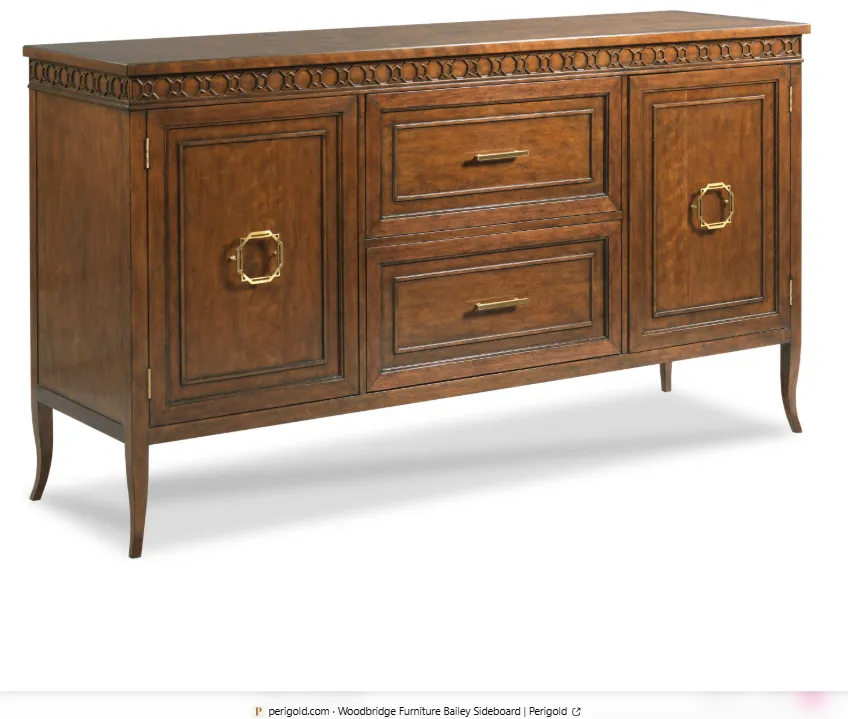
Woodbridge Furniture has some beautiful traditional pieces and their designs always remind me why it’s worth looking beyond the finish to see how furniture is actually constructed.
Look at the drawers. Look underneath the table.
Don’t be afraid to ask what materials are being used and how the frame is constructed.
Because I want to know that a piece is going to hold up especially when I’m recommending it to a client.
Caption
Some furniture making techniques have survived for centuries for a reason. Dovetail joints are one of those little construction details I still love seeing in furniture today.
Woodbridge Furniture offers a wide range of traditional and transitional furniture with classic silhouettes, thoughtful detailing, and designs that bring a sense of timelessness to a room.
Do you inspect the construction details before specifying a piece?
@interiordesigncommunity #idcvideo #WoodbridgeFurniture #FurnitureCraftsmanship #FurnitureDesign
Assets
Press and hold any image on your phone to save it to your camera roll.
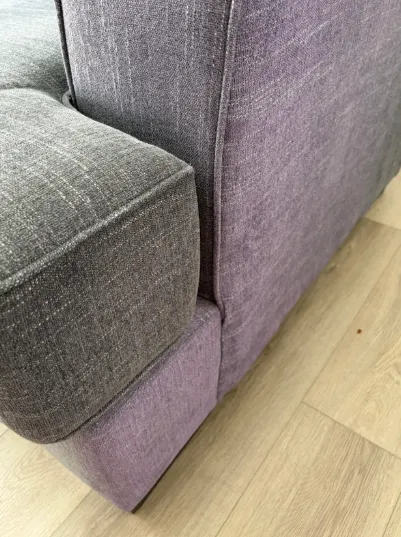
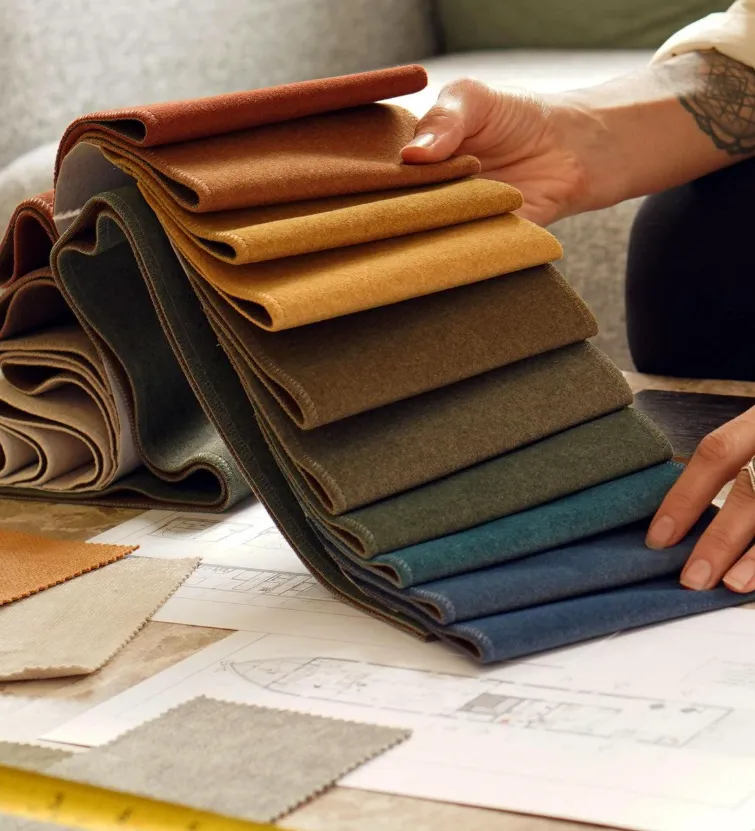
7. Why Fabrics Fade
Hook: An expensive fabric can fade faster than one that costs a fraction of the price.
And I think that’s something designers really need to pay attention to.
Because fading has very little to do with how much you paid for the fabric.
Different fibers react differently to light and the dyes used to color those fibers can make a huge difference.
That’s why textile manufacturers test something called lightfastness.
It measures how well a material resists changes in color when it’s exposed to light.
And here’s something worth knowing. Lightfastness is often rated on a scale so when you’re looking at fabric specifications you want to know which testing method was used.
A number by itself doesn’t tell you much unless you know what scale you’re looking at.
A fabric can have an excellent abrasion rating and still have terrible lightfastness.
So you might have upholstery that can withstand thousands of double rubs.
But put it next to a sunny window and the color could start changing long before the fabric actually wears out.
Those are two completely different performance characteristics.
It’s worth checking both ratings before you specify a fabric.
And trust me, that’s a conversation you’d much rather have before the furniture arrives than six months later when your client calls wondering why their sofa has changed color.
Caption
Expensive doesn’t automatically mean fade resistant. Are you checking lightfastness ratings when specifying upholstery?
@interiordesigncommunity #idcvideo #TextileDesign #FabricPerformance #InteriorDesignEducation
Assets
Press and hold any image on your phone to save it to your camera roll.
8. The Forgotten Side Table
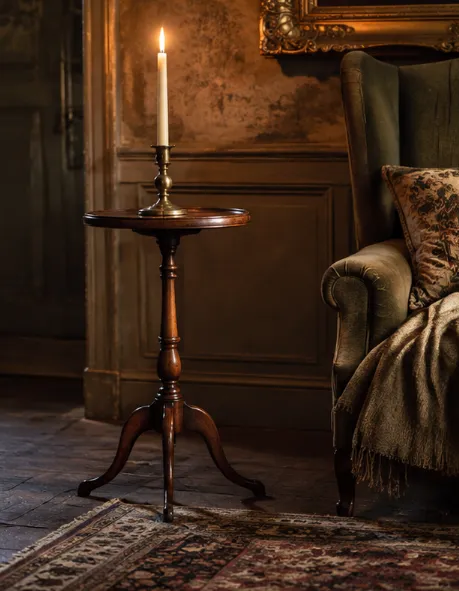
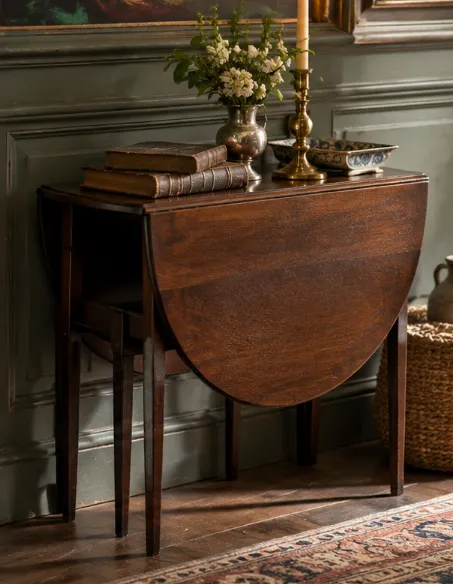
Hook: There was a time when people had an entire table just for holding a candle.
And honestly some of these little antique tables are really fascinating.
Before electric lighting people needed ways to bring light closer to wherever they were sitting.
So small, movable candle stands were incredibly useful.
Some even had adjustable heights or tilting tops and many were designed to be moved around easily.
And candle stands weren’t the only little tables with a very specific job.
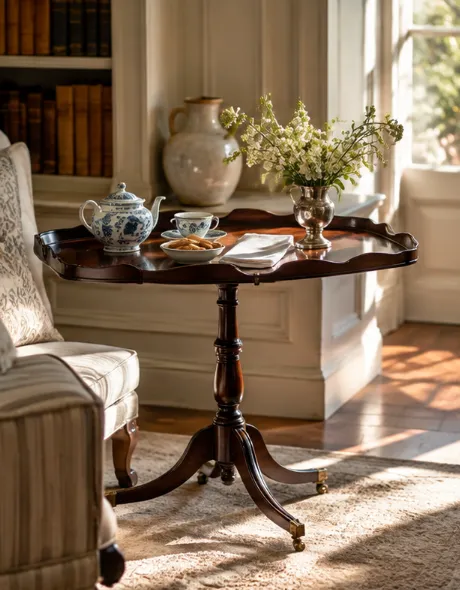
Think about tea tables. Tea was a much bigger social occasion than we tend to think of today.
Furniture was designed specifically around serving it.
Some tea tables even had tops that tilted upright when they weren’t being used. Imagine being able to tuck your tea table against the wall when company left. I actually love that idea.
One of my favorite examples of unique antique tables is the Pembroke table.
It’s a clever little multipurpose table with drop leaves, often with a drawer, that became popular in the eighteenth century.
You could open it up when you needed more surface space and fold it down afterward.
Pretty clever actually.
I love these little pieces because they remind you how much furniture was once designed around very specific daily activities.
And I think there’s still a place for them in our contemporary interiors. They can really add personality to a project.
Caption
Furniture used to have some wonderfully specific purposes. An entire table just for a candle? I love finding out what these little antique pieces were originally made for. And bringing something with that kind of history into a modern room can be pretty special!
@interiordesigncommunity #idcvideo #AntiqueFurniture #FurnitureHistory #InteriorDesign
Assets
Press and hold any image on your phone to save it to your camera roll.
9. Where the Design Money Is
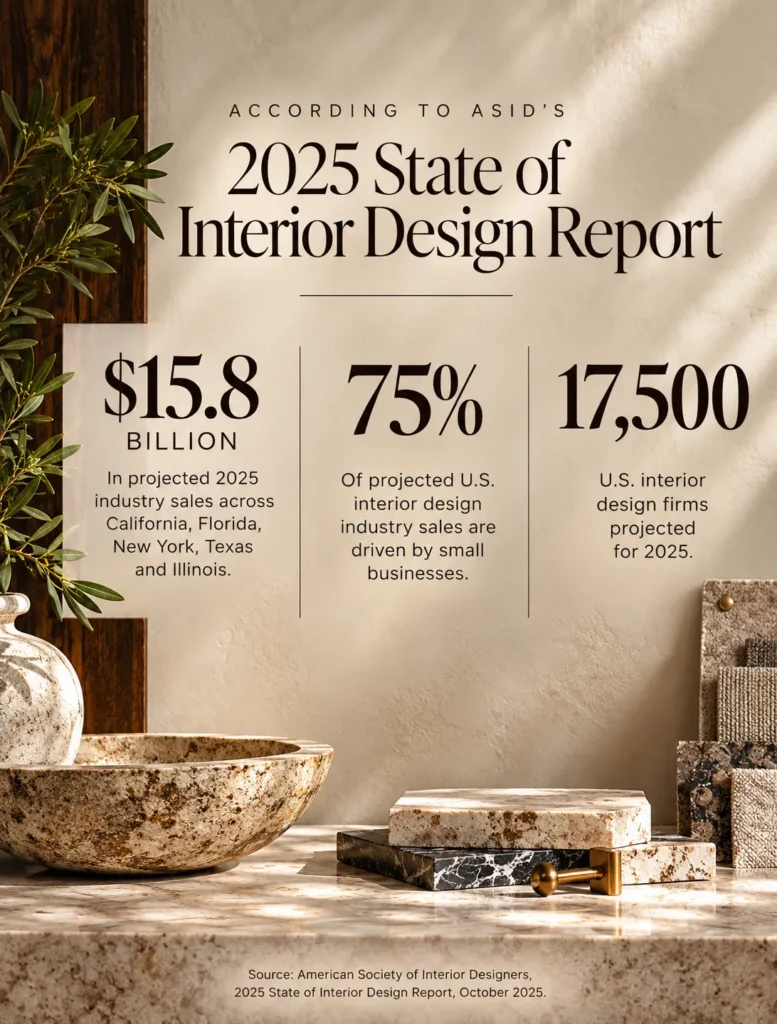
Hook: Five states account for more than $15 billion in projected interior design sales. Can you guess which ones?
According to ASID’s 2025 State of Interior Design Report California, Florida, New York, Texas, and Illinois collectively account for more than $15.8 billion in projected industry sales.
Those are some pretty big markets so I can’t say I’m particularly surprised.
But here’s the number that really caught my attention.
Small businesses account for about 75% of the interior design industry’s projected sales nationwide.
Seventy five percent!
And think about how many of those businesses are just a designer and a small team handling everything from client meetings to installations.
Some of these firms have just a handful of people and they’re managing projects that involve dozens of vendors, contractors, and trades.
I think people outside our industry would be surprised by how much goes into running even a small design business.
And ASID projected nearly 17,500 interior design firms in the United States in 2025.
And you know what’s interesting? We hear about the big name designers all the time but so much of this industry is made up of small firms whose names most people have never heard.
Those are the people doing a tremendous amount of the actual work.
I’m curious where everybody’s working. Are you in one of those five states or somewhere completely different?
Caption
Five states represent more than $15.8 billion in projected interior design sales but small businesses account for about 75% of the industry’s projected sales. Where are you designing from?
@interiordesigncommunity #idcvideo #InteriorDesignIndustry #DesignBusiness #ASID
Assets
Press and hold any image on your phone to save it to your camera roll.


10. When Wood Moves · Dovetail
Hook: I have something weird to tell you. Your wood furniture is moving right now. You just can’t see it.
And no, I’m not talking about an earthquake or somebody rearranging the room.
Wood is hygroscopic.
Which is a fancy way of saying it absorbs and releases moisture from the air.
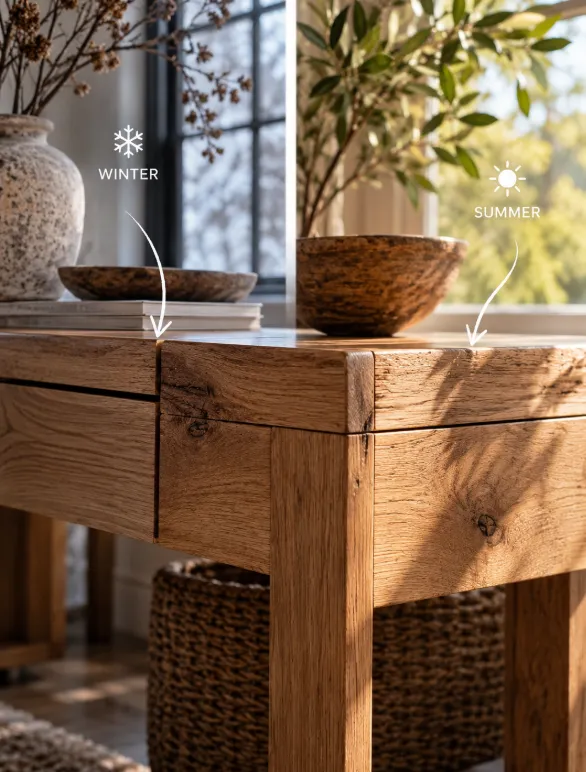
So as humidity changes, wood changes with it.
It generally expands across the grain when it absorbs moisture and contracts when it dries out.
And sometimes that movement can cause some pretty annoying problems.
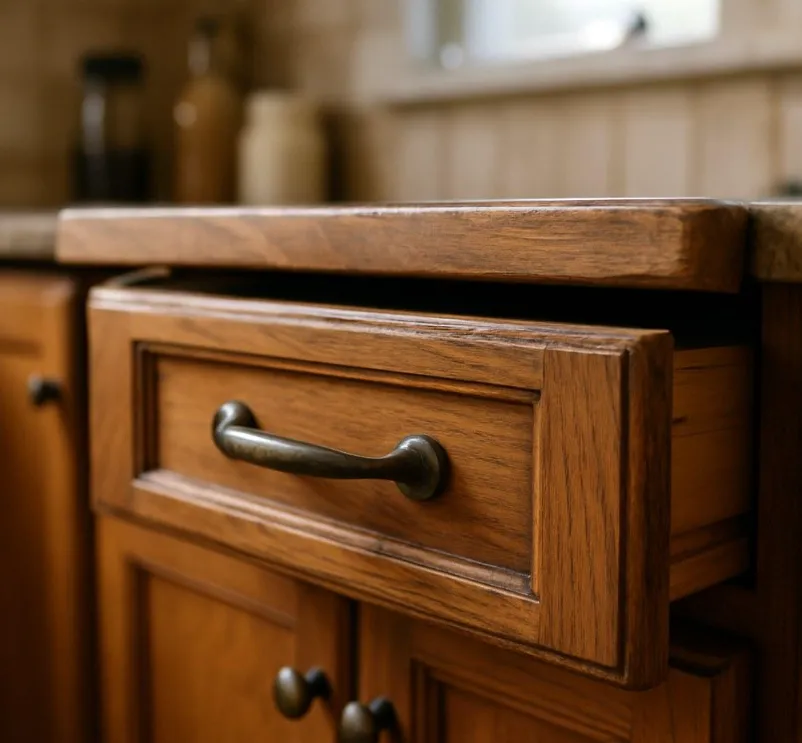
Drawers that stick in the summer.
Little gaps that show up during the winter.
Sometimes even cracks if the construction didn’t account for movement.
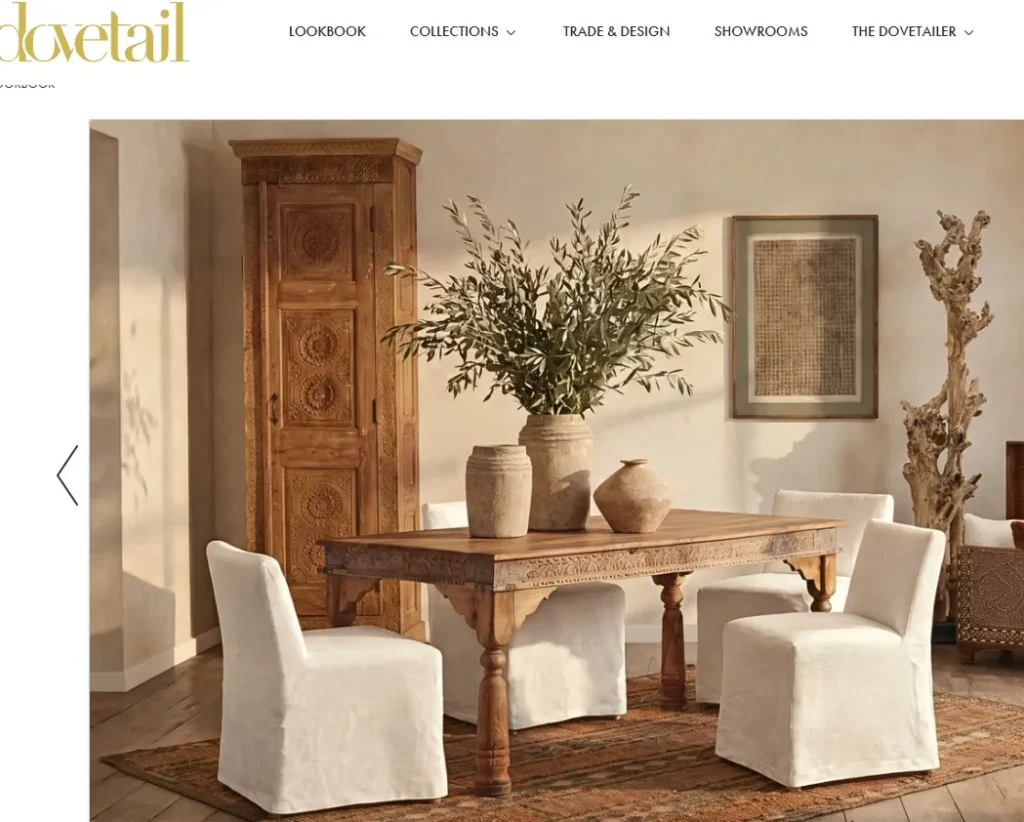
Dovetail has some beautiful wood furniture and I always find myself looking at the grain, the finishes, and how those pieces are constructed.
But when you’re specifying solid wood it’s important to understand how it behaves in a client’s home.
Especially somewhere with big seasonal humidity changes.
Wood movement is normal and good furniture construction anticipates it.
So the next time a client calls about a kitchen drawer that suddenly sticks in July you have a pretty good idea what’s happening.
Caption
Wood doesn’t stop responding to its environment just because it’s been made into furniture. Have you ever had a client call about a drawer that suddenly started sticking?
Dovetail Furniture offers a wide range of furniture and home accents with designs that often feature natural materials, rich textures, and a mix of vintage inspired and contemporary styles.
@interiordesigncommunity #idcvideo #DovetailFurniture #WoodFurniture #FurnitureEducation
Assets
Press and hold any image on your phone to save it to your camera roll.

Stuck on any of these?
Bring it to office hours, Tuesday at 12:00pm ET, or submit a question ahead of time on the hub.