

A note from Laurie
This week is all about the stories behind what clients see, from honey oak making a comeback to the wallpaper that was literally poisoning people. If you only have time to film two, I’d start with The Wallpaper That Was Poisoning People and HGTV Changed What Clients Think Designers Do. Both get clients (and viewers) talking.
Ten fresh scripts below. Tap any title to open it. Everyone picks different ones, so your videos stay unique to you. Choose the two that fit your voice and your clients best, film them, and tag #idcvideo and @interiordesigncommunity when you post.
Filming tip: Look at the small camera lens on your phone, not at your own face on the screen. It feels odd for the first few takes, but looking at the lens is what makes viewers feel like you’re talking right to them. If it helps, put a small piece of tape next to the lens as a reminder.
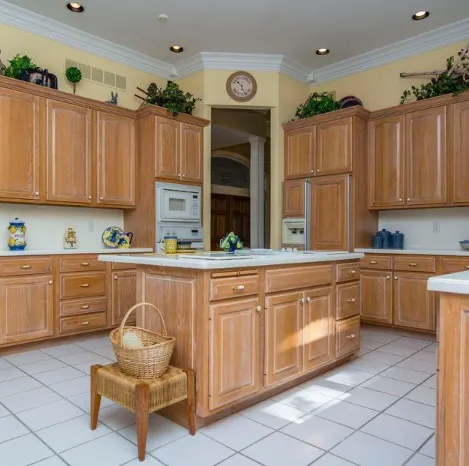
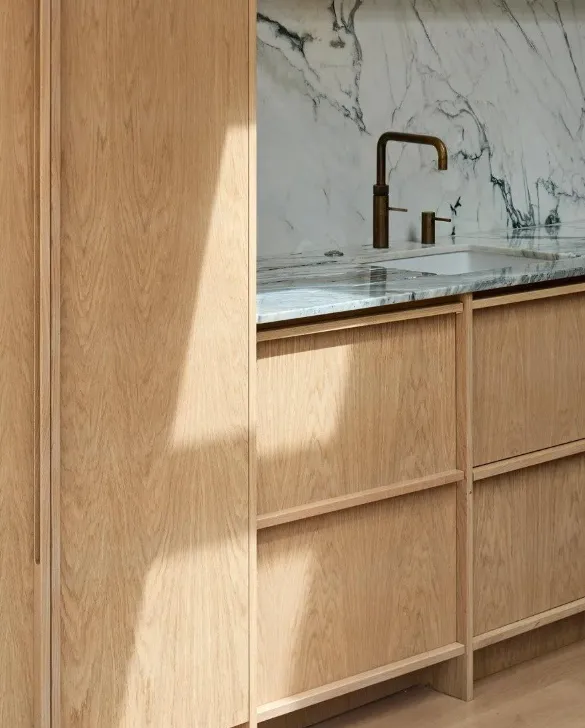
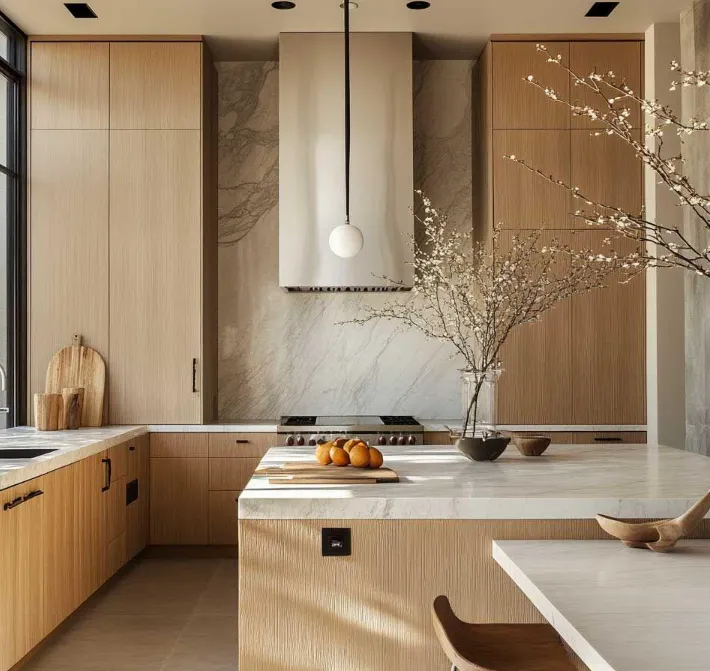
1. Honey Oak Is Back. Yes, That Honey Oak.
Hook: Remember when everyone was desperate to get rid of their honey oak cabinets? Well I have to tell you something funny.
Warm oak is making its way right back into kitchens, furniture, and beautiful custom millwork and it makes me laugh a little.
For years we were painting those cabinets white, covering up the wood grain, trying to get rid of anything that looked remotely orange. Now we’re seeing lots of designers starting to specify oak again.

But there’s something different happening with the finishes. A lot of those older kitchens had amber colored stains and clear coats that made the wood look really golden. Today’s finishes often have these beautiful natural looking tones that really let the wood grain shine through.
And oak itself never stopped being a wonderful material. It’s hard, durable, and has a really beautiful, distinctive grain pattern.
So when I see an older oak kitchen I’m not necessarily running for the paint anymore. Sometimes just a different countertop or the right wall color can make that wood look completely different.
And somewhere out there is a homeowner who refused to paint their oak cabinets twenty years ago and I bet they’re probably feeling pretty smug right now.
Caption
We spent years painting oak cabinets white and now warm wood is finding its way right back into interiors. Some of those older kitchens might deserve a second look. Would you keep the oak?
@interiordesigncommunity #idcvideo #InteriorDesignTrends #HoneyOak #KitchenDesign
Assets
Press and hold any image on your phone to save it to your camera roll.
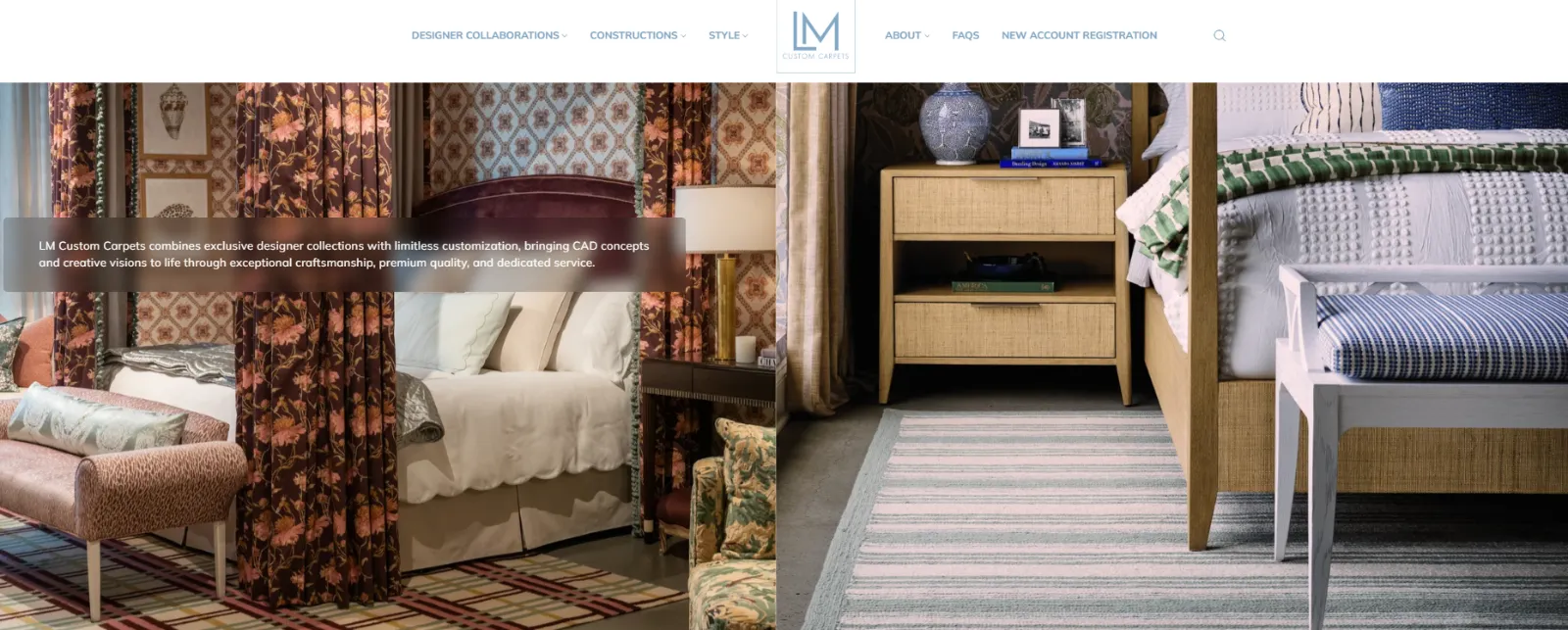
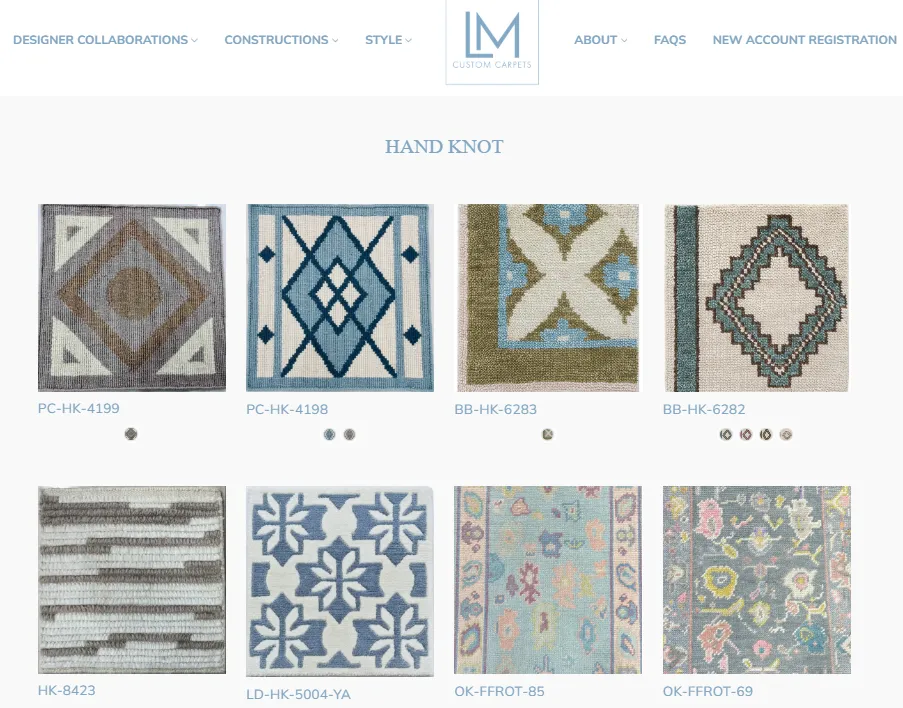
2. Why Some Rugs Take Months to Make · LM Custom Carpets
Hook: Have you ever wondered what on earth takes so long when you order a custom rug?
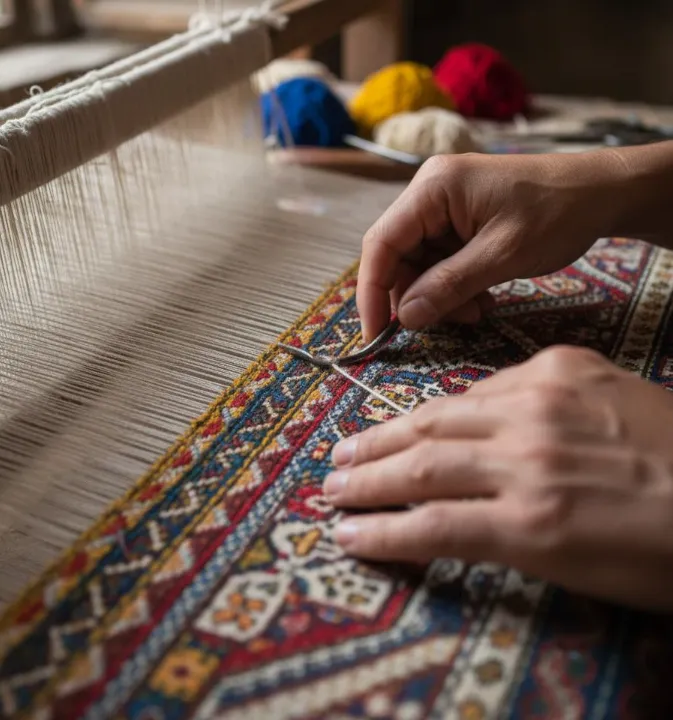
Well some of these rugs are literally being made one knot at a time. And once you understand what goes into that the timeline starts making a lot more sense.
With a hand knotted rug an artisan ties individual knots around the foundation threads. Row after row after row. And depending on the size, knot density, and complexity of the pattern you’re talking about an enormous amount of work.
Here’s something else I find interesting. A higher knot count doesn’t automatically mean a rug is better. It can allow for finer detail but things like the fiber and intended use matter just as much.
Designers also have to think about things like pile height, pattern scale, and how the rug will actually perform.
When you’re looking for something custom that’s where companies like LM Custom Carpets come in because sometimes you need a rug that’s a very particular size or shape and you want it to work with everything else you’ve already specified.
And when you think about how much labor goes into a hand knotted rug suddenly waiting a few months doesn’t seem quite so unreasonable. Although explaining that to a client who was ready for installation yesterday? That’s another conversation.
Caption
A hand knotted rug can involve months of skilled work. Once you understand the process those long lead times start making a lot more sense. LM Custom Carpets works with designers on custom rugs and carpets including those tricky sizes and shapes that aren’t always easy to find. Have you ever had a client surprised by how long a custom rug takes?
@interiordesigncommunity #idcvideo #LMCustomCarpets #CustomRugs #InteriorDesign
Assets
Press and hold any image on your phone to save it to your camera roll.

3. The Kitchen Pantry Is Becoming a Second Kitchen
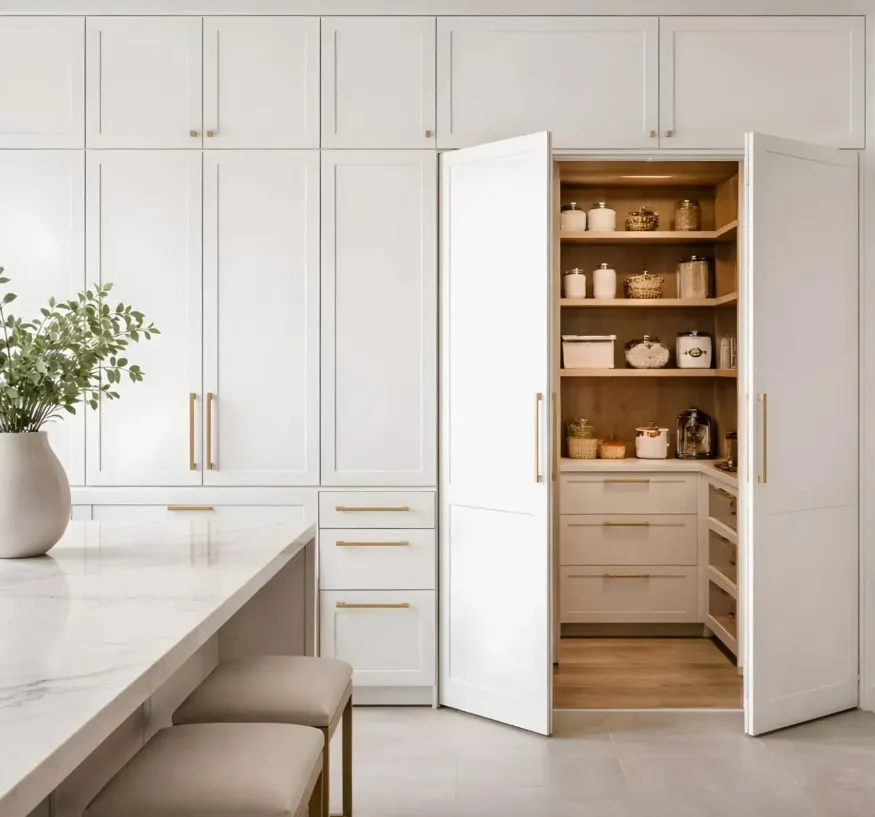
Hook: Have you seen what designers are doing with pantries lately? Some of these spaces are really incredible
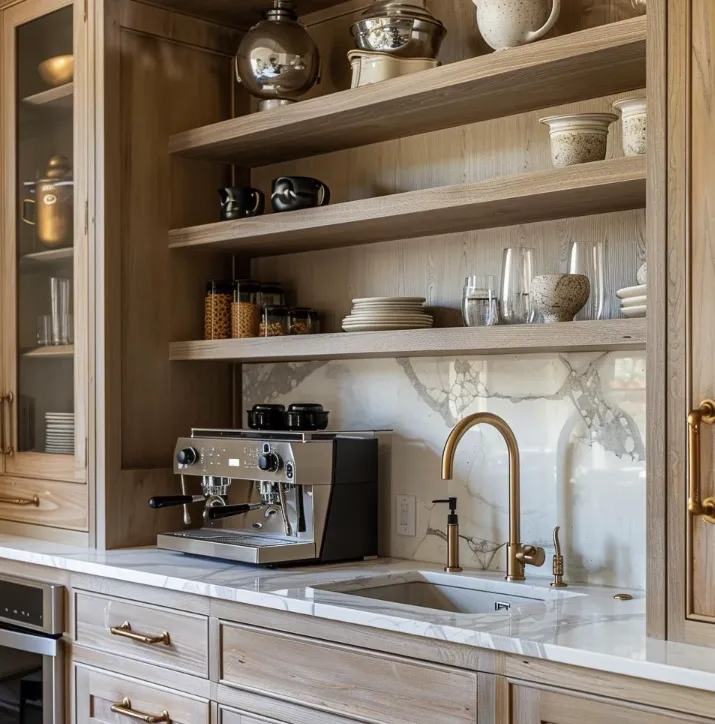
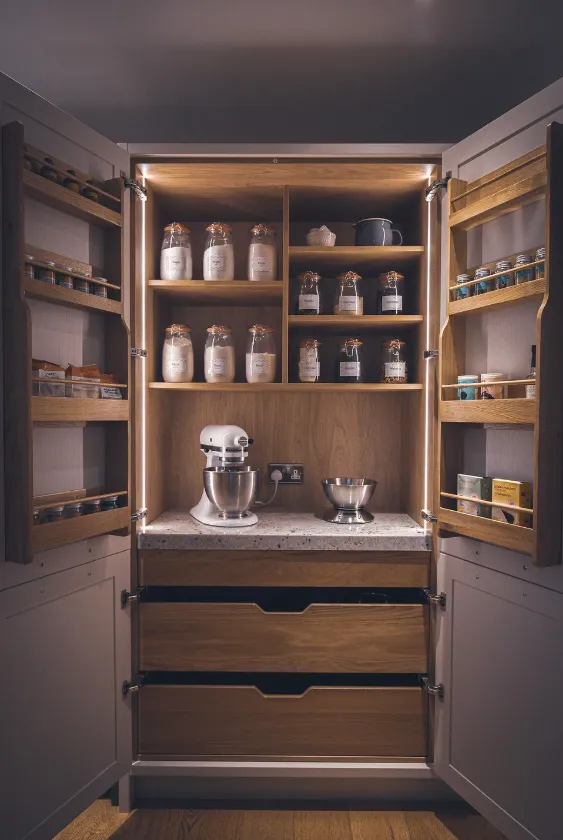
It’s to the point where some kitchens practically have their own backup kitchen. We’re talking about entire little rooms hidden behind those cabinet doors. Coffee stations, baking centers, beverage refrigerators, sometimes even a second dishwasher.
And I actually love the concept because think about how much stuff we normally have sitting on our kitchen countertops. The coffee maker, toaster, mixer, blender, all the things people use every single day but don’t necessarily want to look at.
Now we’re designing dedicated spaces for those routines. A baking pantry might need a counter at a comfortable working height, accessible ingredient storage, and somewhere to use a heavy mixer without dragging it across the kitchen. A coffee station needs water access, outlets, and enough clearance for the equipment.
And if you’re putting appliances behind doors you have to pay attention to ventilation and manufacturer requirements. You can’t just close a cabinet around something that generates heat and hope for the best. But don’t worry, these are the things you hire a designer to think about so you don’t have to!
But I really do think this is a smart direction for kitchen design. Especially for clients who want beautifully uncluttered kitchens but actually cook in them. Because, you know, imagine that!
Caption
Apparently the kitchen needs its own kitchen now. Coffee stations, baking larders, hidden appliances, sometimes even a second dishwasher. And honestly, I love how practical some of these spaces are. What’s the one thing you’d hide away in a pantry?
@interiordesigncommunity #idcvideo #KitchenDesign #PantryDesign #SpacePlanning
Assets
Press and hold any image on your phone to save it to your camera roll.
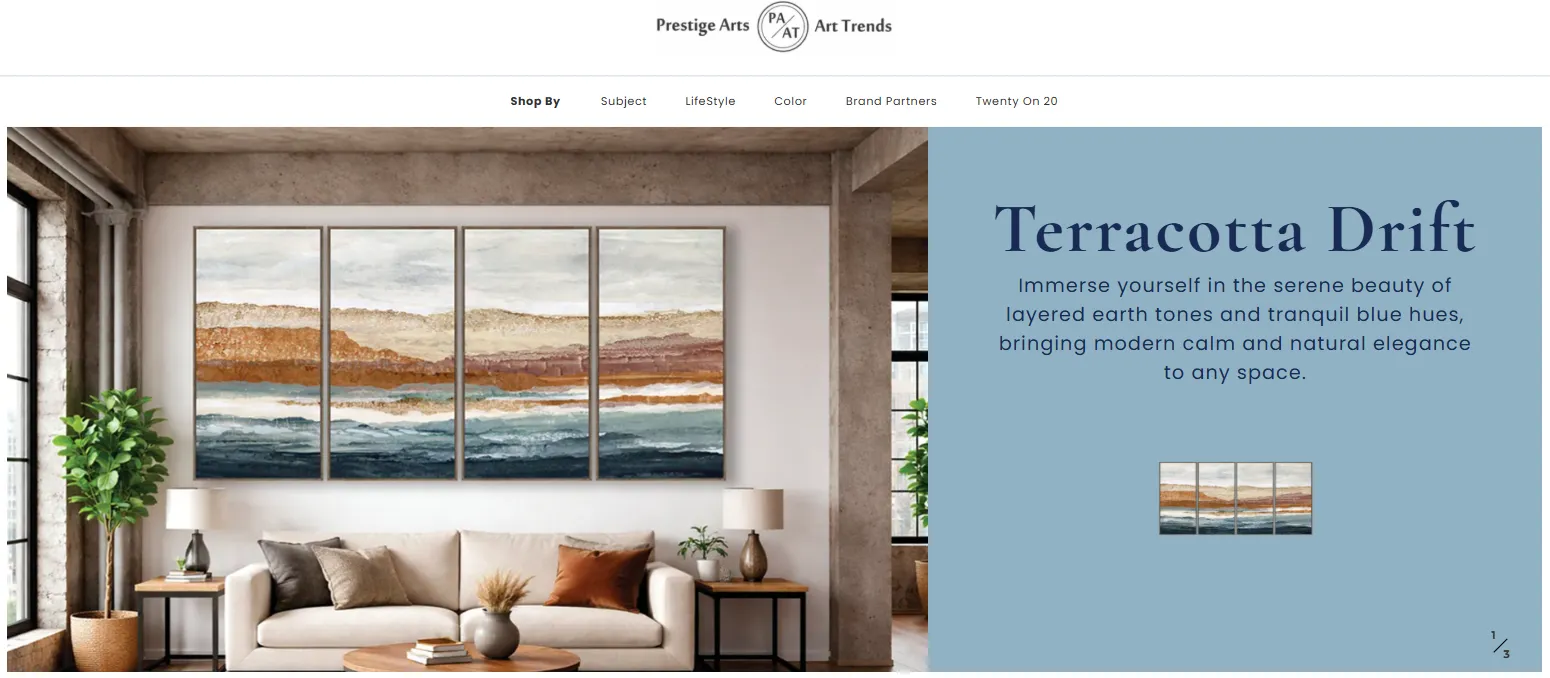
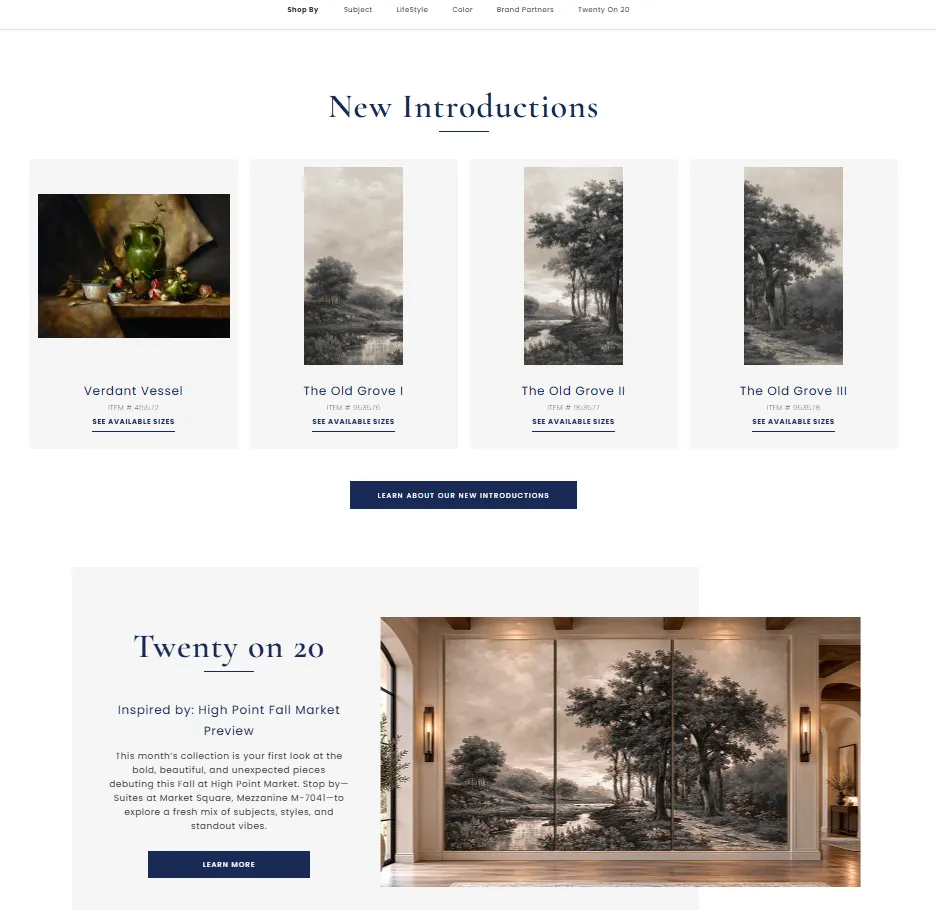
4. Who Decides What Art Is Worth? · Prestige Arts & Art Trends
Hook: Have you ever had a client ask why one piece of art costs $500 and another piece that looks similar costs $50,000? How exactly are we supposed to explain that?
The answer gets complicated pretty quickly. With original art you’re paying for a unique work but the artist’s reputation, exhibition history, provenance, and demand all affect the price.
And then you’ve got limited editions. Now here’s something people don’t always realize about limited editions.
A limited edition of 50 means there are 50 impressions in that particular edition. It doesn’t automatically mean there are only 50 images of that artwork in existence. Tricky, right? There may be other editions, different sizes, or artist proofs.
And even the word giclée, which sounds very fancy, describes a type of inkjet printing. It doesn’t tell you whether the artwork is limited, valuable, or even printed on archival materials.
And I’ve seen how confusing this can get especially when clients hear certain art terms and automatically assume something is valuable.
When you’re sourcing artwork through resources like Prestige Arts and Art Trends these are good questions to be asking. Is it an original? Is it an edition? What materials were used? And is there documentation? Because when a client asks what they’re paying for you should actually be able to tell them.
And then there’s that famous artwork that was literally a banana duct taped to a wall. It sold at auction for over six million dollars in 2024. That’s an entirely different conversation.
Caption
A limited edition doesn’t automatically mean valuable. And then there’s that banana duct taped to a wall that can sell for over six million dollars. Art pricing is fascinating. Prestige Arts & Art Trends offers decorative artwork across a variety of styles and subjects giving designers options when sourcing art for their projects. How much do your clients actually want to know about the art they’re buying?
@interiordesigncommunity #idcvideo #PrestigeArts #ArtSourcing #InteriorDesign
Assets
Press and hold any image on your phone to save it to your camera roll.


5. The Wallpaper That Was Poisoning People
Hook: Would you believe me if I told you there was a time when people decorated their homes with wallpaper that could literally poison them?
And the wild part is people were actually warning about the dangers while this wallpaper was still being sold!
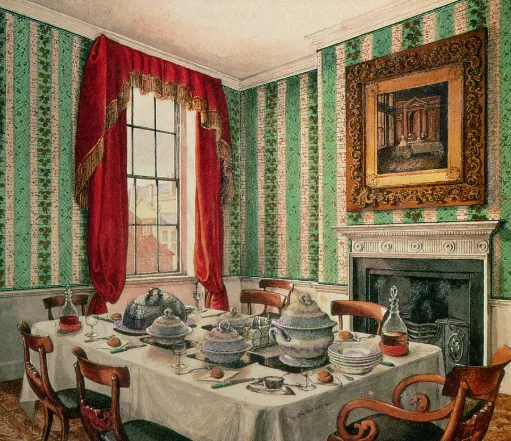
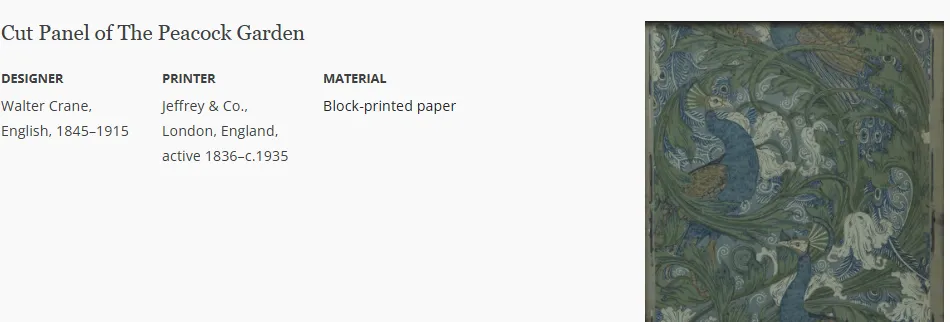
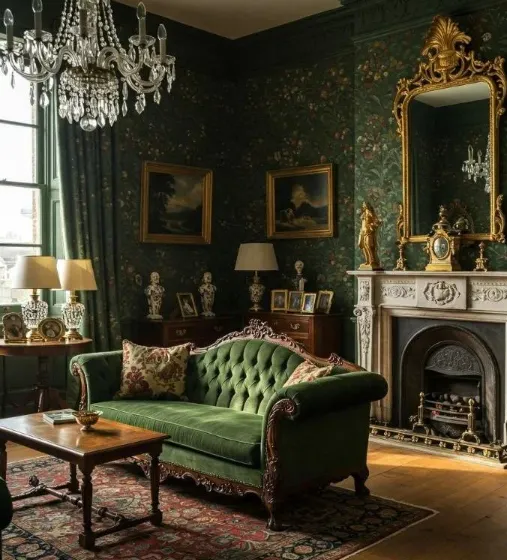
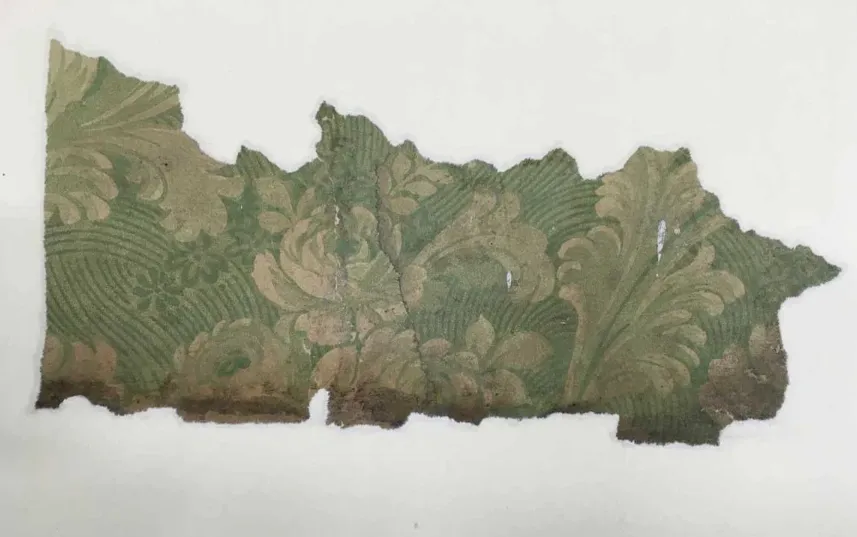
During the Victorian era these gorgeous incredibly vibrant green wallpapers became super fashionable. But a lot of that color came from pigments containing arsenic. Scheele’s Green and Paris Green are two names you might come across if you look this up. And they really were beautiful colors.
The problem, of course, was that arsenic is toxic. As wallpaper aged or deteriorated contaminated dust could become a concern. And researchers even discovered that certain molds could turn arsenic compounds into gases. Crazy, right?
There were warnings about arsenic in household decorations during the nineteenth century but arsenical pigments continued to be used.
Can you imagine specifying wallpaper and having to wonder whether the color itself was making your client sick?
What’s fascinating is how much the industry has changed in terms of material safety. Thankfully! Now we’re having conversations about emissions, coatings, adhesives, and what products contain. And I think stories like this are a pretty good reminder of why those questions matter.
Although I have to admit some of those Victorian green patterns were absolutely gorgeous. Terrible idea. Beautiful wallpaper.
Caption
Imagine choosing the perfect green wallpaper for your client’s home and finding out the pigment contains arsenic. Victorian design history gets pretty wild. Would you ever use one of those gorgeous old green patterns as inspiration today?
@interiordesigncommunity #idcvideo #DesignHistory #VictorianDesign #Wallpaper
Assets
Press and hold any image on your phone to save it to your camera roll.
6. Why Designers Are Falling Back in Love With Veneer
Hook: Can we talk about why people hear the word veneer and immediately assume something is cheap?
Because some of the most beautiful furniture in the world has been made with wood veneer. And I’m talking about furniture that’s hundreds of years old.
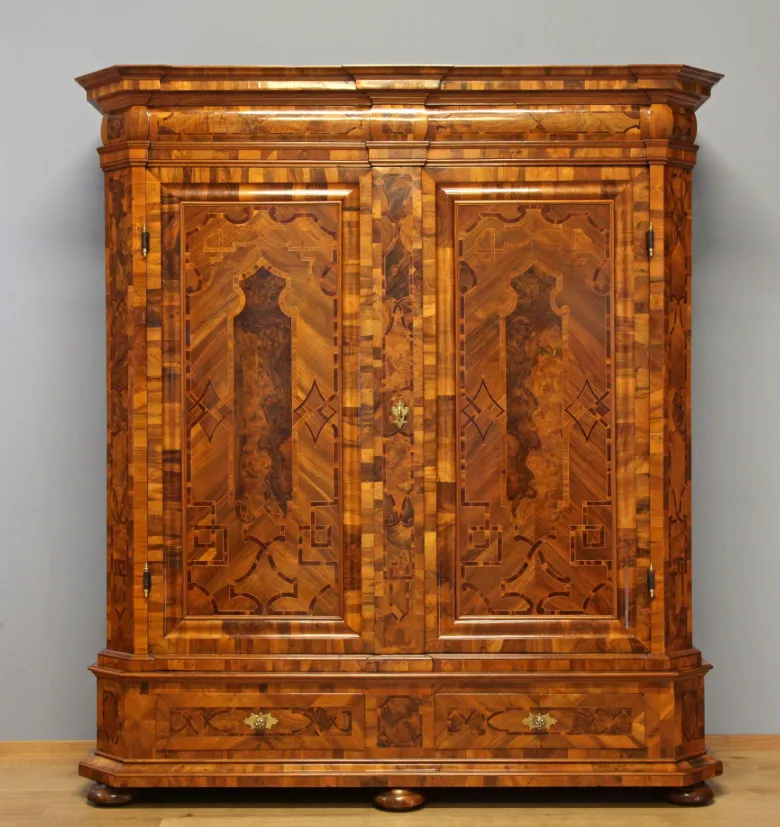
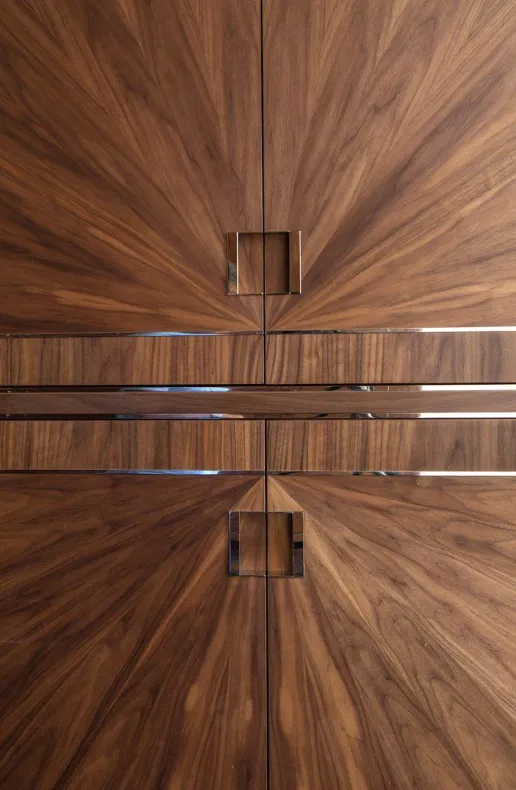
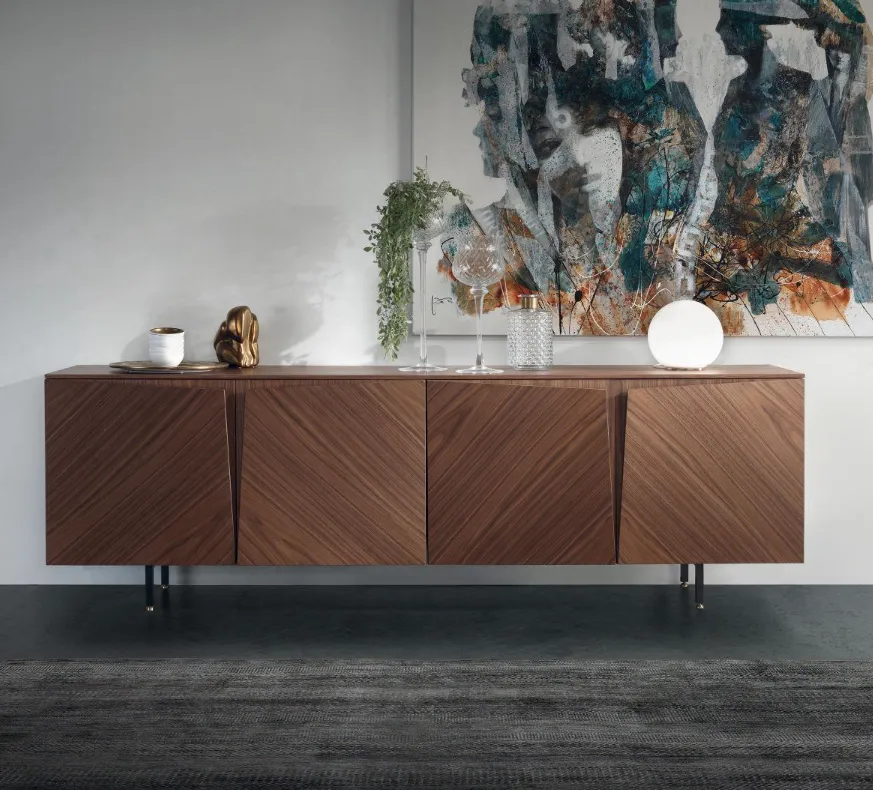
And I think veneer gets a bad reputation because people don’t always understand what it actually is. Veneer is simply a thin layer of wood applied to another surface. And historically cabinetmakers used it to create these incredible decorative patterns using the natural grain of the wood.
Bookmatching, for example, you take consecutive slices of wood and open them like the pages of a book so the grain creates this beautiful mirrored pattern. You’ll see that on antique furniture, decorative panels, and some really gorgeous contemporary cabinetry.
And there are practical reasons to use veneer too. When veneer is applied to a stable substrate it allows cabinetmakers to create beautiful wood surfaces while keeping dimensional movement under control.
Now, obviously, construction quality matters. A poorly made veneered piece can absolutely fall apart. But I do wish we’d stop treating the word veneer like it’s automatically a warning sign.
Honestly some of those old pieces with bookmatched veneer are just spectacular. I could stare at that craftsmanship all day.
Caption
Veneer has a reputation problem. Which is funny considering how much beautiful antique and contemporary furniture relies on it. Are your clients still asking for solid wood everything?
@interiordesigncommunity #idcvideo #WoodVeneer #FurnitureDesign #DesignEducation
Assets
Press and hold any image on your phone to save it to your camera roll.
7. Gray Had a Good Run. Now What?
Hook: Do you remember when every house was gray? Gray walls, gray floors, gray furniture. We really committed to that one.
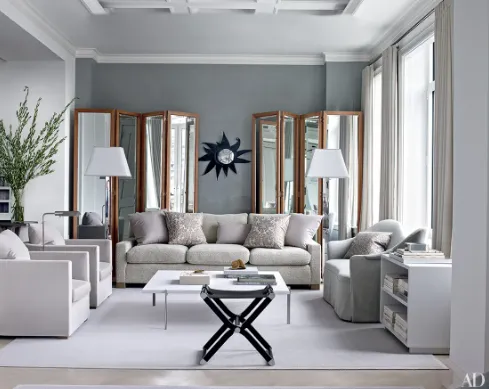
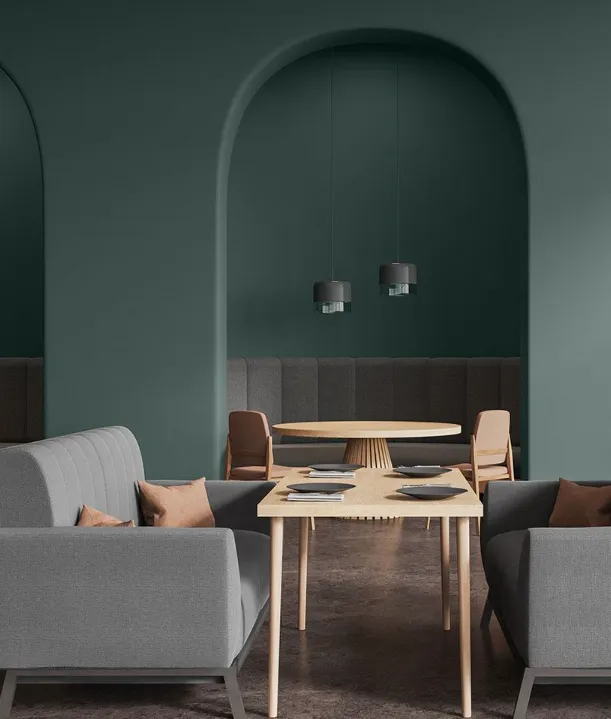
Now we’re seeing some pretty dramatic color choices coming back. Look at the 2026 Colors of the Year. Behr chose Hidden Gem which is a beautiful smoky jade green. And Benjamin Moore chose Silhouette, this deep espresso brown with charcoal undertones.
I find those choices really interesting. Because for years the conversation was about keeping everything neutral and making rooms feel bright and open. And now we’re seeing these rich greens, burgundies, browns, and almost black colors appearing in interiors again.
But here’s something designers know that doesn’t always translate in photographs. Dark colors behave differently depending on the lighting. A deep green can look almost black in one room and much more colorful in another.
And sheen can make a huge difference too. A glossy finish reflects light around the room while a matte finish can make those deep colors look almost velvety.
So if you’re working with these deeper palettes grabbing little paint chips are really not going to tell you enough. You need larger samples and you definitely need to see them throughout the day.
And me personally? I love that we’re getting some depth and personality back into interiors. Although I’m sure somewhere out there somebody is already planning another all gray renovation. Some trends just refuse to leave completely.
Caption
Behr’s Hidden Gem and Benjamin Moore’s Silhouette are giving us a very different color conversation for 2026. I’m enjoying the richer palettes. Are you ready for more color or are you staying neutral?
@interiordesigncommunity #idcvideo #ColorTrends2026 #Behr #BenjaminMoore
Assets
Press and hold any image on your phone to save it to your camera roll.
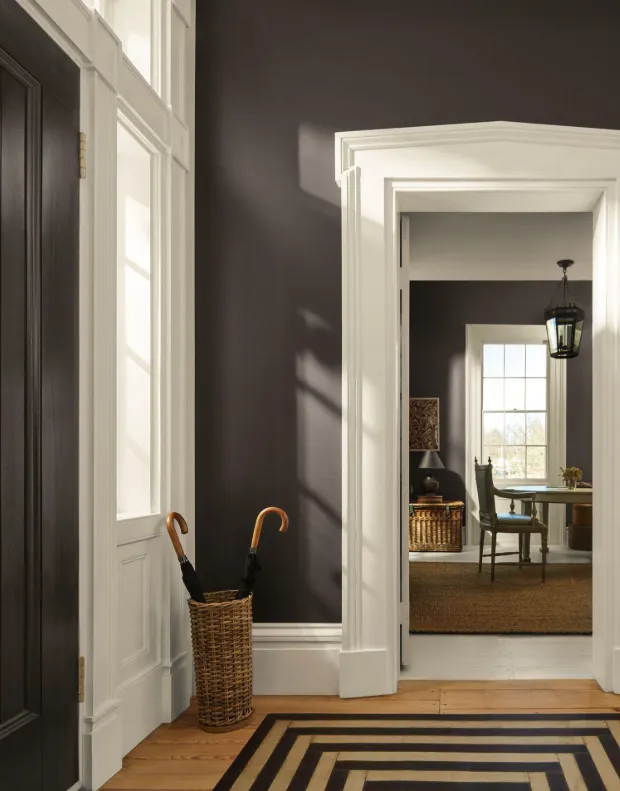
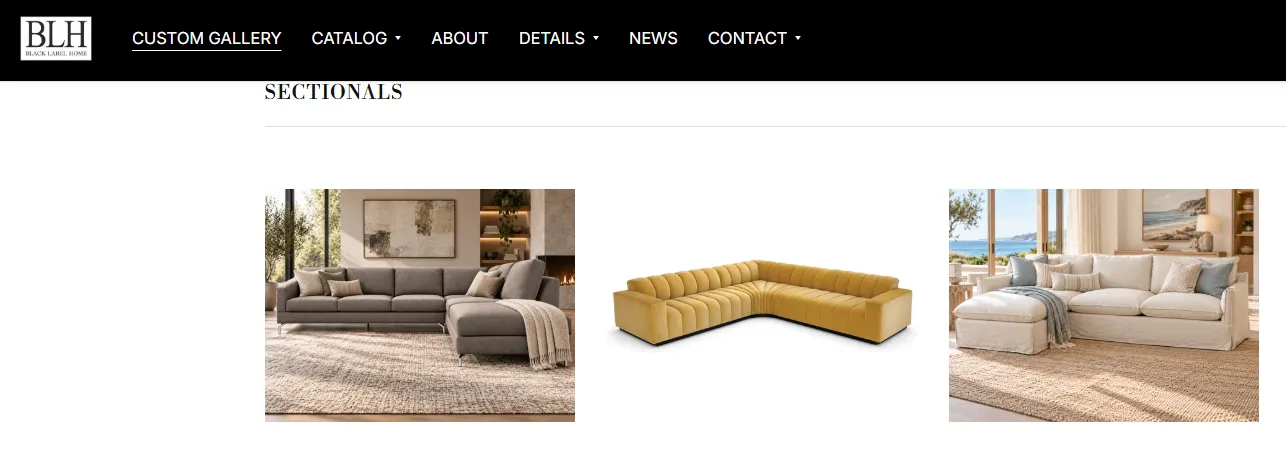
8. Why the Formal Living Room Is Disappearing · Black Label Home
Hook: Do people even want formal living rooms anymore? Because I’m seeing some interesting changes.
You know exactly the room I’m talking about. The formal living room with the beautiful sofa, the chairs nobody touches, and the coffee table that’s basically just decorative. I grew up seeing plenty of those.
And what’s interesting is how much our relationship with living spaces has changed. Historically, the parlor was a place for receiving guests and in some homes it was very much about presenting the family’s social status.
But today people are asking their homes to do so many different things. They’re entertaining, working, watching movies, spending time with their families. Sometimes all in the same room.
And I think that’s changing how we approach furniture. You still want beautiful pieces obviously. And when you’re looking at furniture from companies like Black Label Home I’m thinking about how people are actually going to use these pieces. Are they curling up to watch a movie? Are they entertaining? Because these things change exactly what I’m specifying.
And you know how clients are. Two people can say they want a beautiful living room and mean two completely different things.
Although I will say some clients still want that pristine formal living room. And if they do I’m all for it. I just hope somebody actually gets to sit on the sofa sometime.
Caption
Remember those beautiful living rooms nobody was allowed to sit in? Clients are having very different conversations about how they want to use their spaces now. Black Label Home offers made to order upholstered furniture for the design trade with options to customize fabrics, leathers, finishes, and silhouettes to suit different projects. Are your clients still asking for formal living rooms?
@interiordesigncommunity #idcvideo #BlackLabelHome #LivingRoomDesign #FurnitureDesign
Assets
Press and hold any image on your phone to save it to your camera roll.
9. The Return of Upholstered Walls
Hook: Apparently we’re upholstering our walls again. And actually I love this.
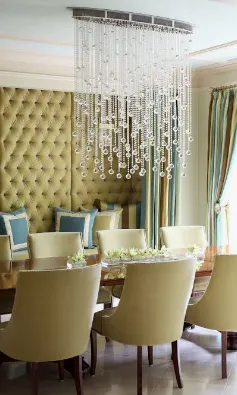
I don’t mean wallpaper that looks like fabric. I mean actual fabric covered walls. Which, by the way, is hardly a new idea.
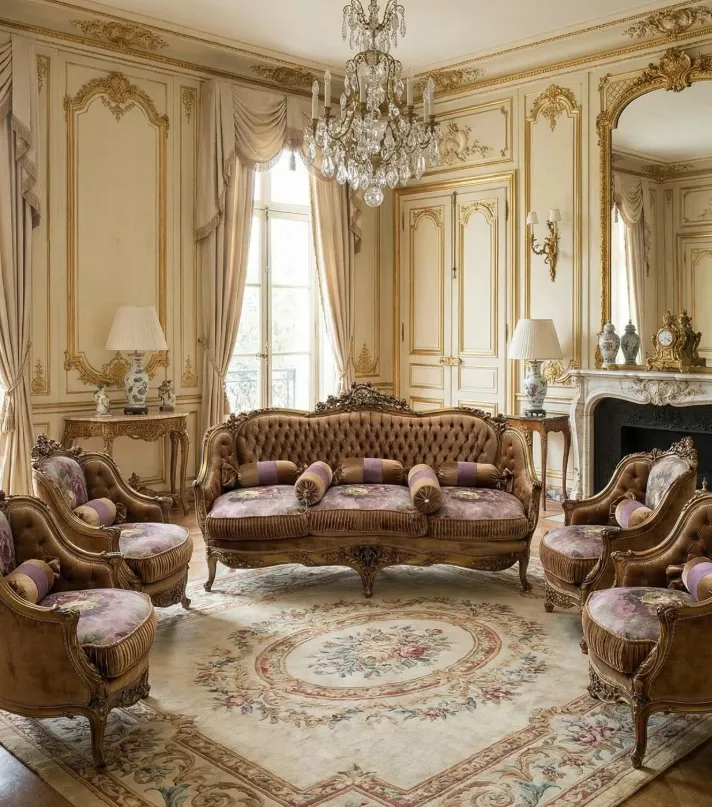
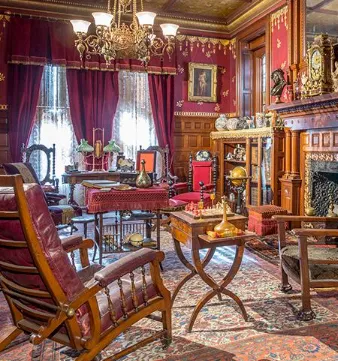
People have been hanging textiles on walls for centuries. In European interiors fabric wall coverings were used for decoration and to create these incredibly warm and rich looking rooms.
And we’re seeing renewed interest in that kind of softness and texture. I love the look especially in bedrooms, libraries, and intimate sitting rooms.
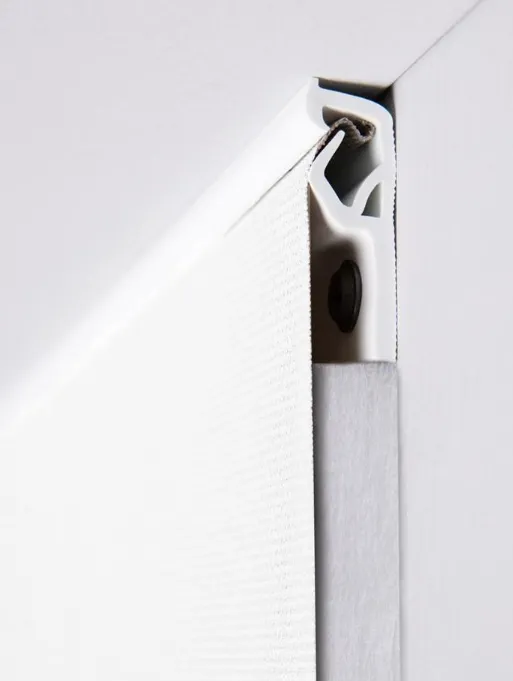
But here’s where designers come in. There are different ways to install fabric on a wall. Some systems stretch fabric over tracks while others use upholstered panels.
And depending on the construction fabric wall treatments can help absorb sound which can be wonderful in a room with a lot of hard surfaces. You also have to think about fire codes, cleaning, fabric stability, and how the installation will handle outlets and corners.
It’s a lot more involved than just choosing a pretty textile. And yes, it’s a little more complicated, but the finished result can be absolutely gorgeous.
Caption
Fabric covered walls are having another moment and there’s a lot more to them than choosing a gorgeous textile. Would you use upholstered walls in a client’s home?
@interiordesigncommunity #idcvideo #UpholsteredWalls #WallTreatments #InteriorDesign
Assets
Press and hold any image on your phone to save it to your camera roll.

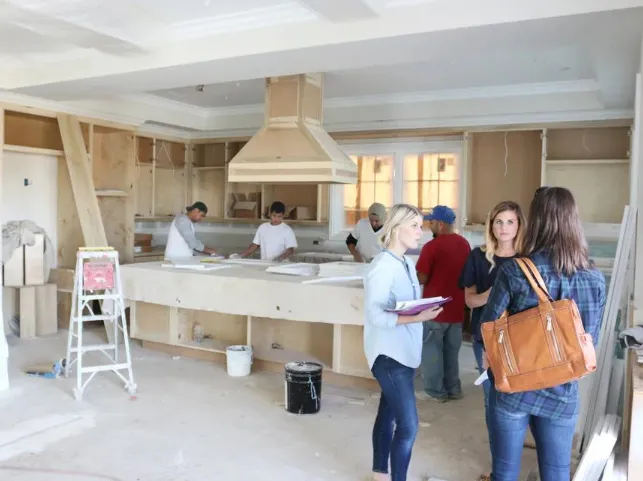
10. HGTV Changed What Clients Think Designers Do
Hook: Okay, I have a theory that HGTV has made interior designers’ jobs a little bit harder.
And I say that as someone who understands why people love those shows. They are certainly entertaining!
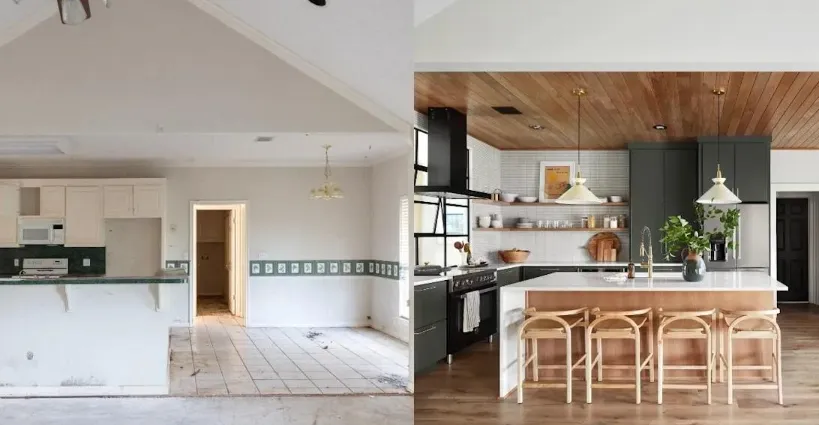
You see an ugly room, somebody knocks down a wall, there’s a little drama, and forty minutes later you’ve got a beautiful new house. Who wouldn’t love that?
But I think it has created some very difficult expectations about what actually happens on a design project.
Because of course, we know, television has to edit out an enormous amount of work. Nobody wants to watch three weeks of waiting for a plumbing inspection. Or a designer reviewing shop drawings for the fifth time. Or how about spending an entire afternoon dealing with a fabric that’s suddenly been discontinued?
That’s real design work. And sometimes it’s hard to explain that to a client who already thinks they know what to expect.
And how about budgets on renovation shows? That can be very tricky too. Depending on the production company’s budget you may not be seeing true labor cost, professional fees, donated products, or real expenses involved in the project.
So clients sometimes come in with a very different idea of what a renovation should cost and how quickly it should happen. And I don’t necessarily blame them. They’re watching something that’s been edited to be entertaining.
I just wish we could get one episode where the big dramatic reveal is that all the backordered cabinet hardware finally arrived. Designers everywhere would be cheering.
Caption
HGTV made renovation television incredibly entertaining. It also gave clients some pretty interesting ideas about timelines, budgets, and what designers actually do all day. What’s the biggest misconception you’ve had to explain?
@interiordesigncommunity #idcvideo #HGTV #InteriorDesignBusiness #DesignIndustry
Assets
Press and hold any image on your phone to save it to your camera roll.


Stuck on any of these?
Bring it to office hours, Tuesday at 12:00pm ET, or submit a question ahead of time on the hub.