

Author: Guest post by Shannon Ggem, Principal Designer, Ggem Design Studio
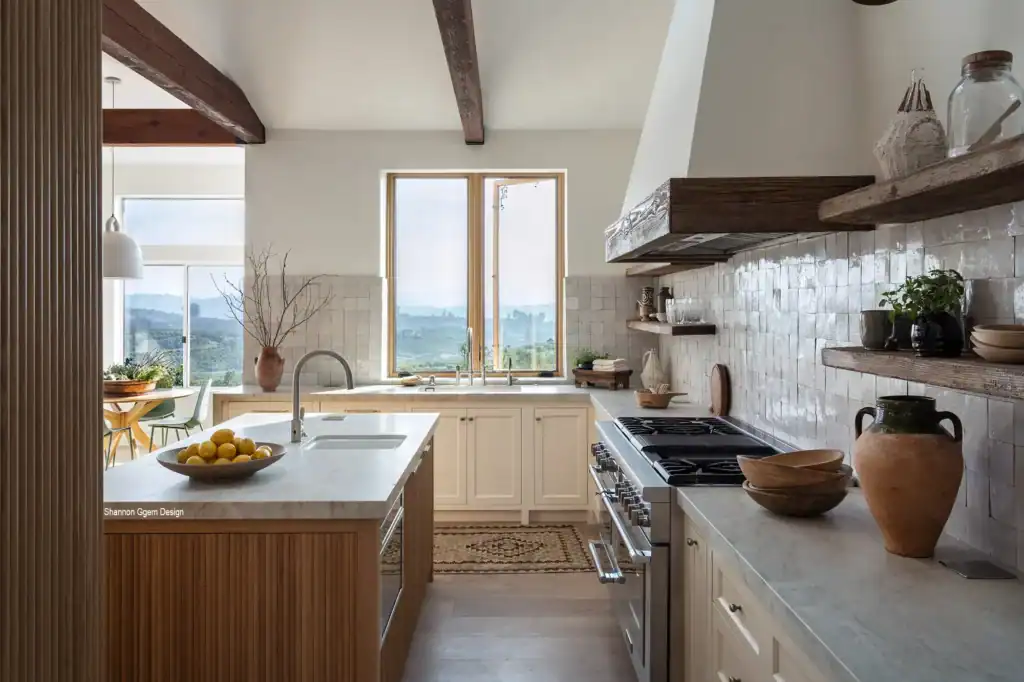
As interior designers, the brands we specify reflect our values. At Ggem Design Studio, we are not just curating beautiful rooms, we are choosing which companies we invite into our clients’ homes and into our own workflow.
Our brand vetting standards are one of the quiet engines behind every project. They help us protect design integrity, support craftsmanship, and honor the people who make the things that fill our clients’ spaces.
Below is how we evaluate every brand before it becomes part of our regular design vocabulary.
Why Brand Vetting Matters In A Design Studio
When I specify a product, I am endorsing more than a look. I am standing behind how it was made, who made it, and whether it will truly serve my client long term.

I believe we are all mutually in service to one another as humans living in modern society. That means I care about the people who make the things that inhabit my clients’ homes, and I want to support companies that care too.
Design And Material Alignment
Our studio has a distinct visual language, sculptural, warm, modern, and architecturally grounded.
We look for brands whose products support that:
- Natural materials that age gracefully
- Clean lines that do not feel cold
- Tactile finishes that add richness without visual clutter
Many of our clients love a collected aesthetic. For us, that look is “clean collected,” thoughtful, edited, and intentional. If a brand consistently fits that lens, it is easier for us to specify their products across multiple projects.
Craftsmanship And The Culture Behind It
We partner with brands that prioritize timeless design and heirloom-quality construction. Small-batch and made-to-order are often easier to vet because we can talk directly with makers and see their processes.
When a company is producing at scale, human rights become even more critical. That is where I start asking questions.
For global manufacturing, I want to know:
- Which countries and regions are involved
- Who owns the company
- What I can learn about their workplace culture
Over years of listening and researching, I have learned to look for the small tells. Do employees have a softball team or community events? If I am allowed to tour, will I see evidence of long-term employees, like birthday decorations in the break room or a child’s photo taped to a workstation?
Details like that can wrap my heart around a company for a very long time. I want to buy products made by happy people in a safe place with a decent life and pride in their work, and I want to sell those products too.
Finish Cohesion Across Categories
For our firm, finish cohesion is non-negotiable.
We prefer brands that:
- Offer coordinated finishes across lighting, hardware, and plumbing
- Maintain consistent tone and depth in their metal finishes
- Provide clear, accurate samples that match production
I understand that exact finish formulas can be proprietary. Still, it would be helpful for brands to indicate which other lines their finishes generally align with. That kind of transparency makes it much easier to create a unified design language throughout a home.
Sustainability And Ethical Standards
We lean toward brands with clear, transparent sustainability practices, things like:
- Low VOC finishes
- Responsibly sourced woods and materials
- Waste-conscious manufacturing
Ethical labor practices are non-negotiable. Our partners must value fair wages and safe working conditions and treat those standards as the floor, not the ceiling.
This is not about perfection, it is about progress and honesty. When brands are willing to share what they are working on and where they are improving, that builds trust.
Trade Support And Reliability
A beautiful product is not enough if the support behind it is chaotic.
The vendors who become long-term partners for us are:
- Responsive and detail-oriented
- Willing to collaborate through design, order, and delivery
- Clear about lead times and realistic about what is possible
Reliable sampling and consistent finishes over the years are crucial. Quick sampling can make or break a tight timeline. And yes, lovable reps matter. When a rep is thoughtful, proactive, and kind, they become part of the project team in the best way.
Customizability And Long-Term Value
We love brands that offer options. Sometimes that means:
- Scaled versions of a piece
- Alternate materials or special finishes
- The ability to tweak dimensions for a better fit
For other lines, we value long-term availability most. When a product family will be around for a while, I feel more confident specifying it for multi-phase projects or commercial spaces where we may need to add pieces later. That reliability supports long-term value for our clients and for our studio.
Shipping, Delivery, And Installation Practicalities
Shipping is not an afterthought, it is part of profitability.
We want to understand shipping and delivery options clearly, early, and accurately. The quickest way to lose our business is to surprise us with shipping costs that are wildly out of line with the product price, or to give vague information that changes every few days.
If a brand does not have a warehouse near us, we need consistent, clear shipping data. We cannot wait several days for someone to figure out freight costs, and we cannot have those numbers swing dramatically after a proposal has been approved.
We typically use receivers, so white glove services are less critical than reliable, transparent logistics.
Digital Models And Our Renderings
I loved my watercolor presentation days, but our clients now adore photorealistic renderings, and so do we.
If you are a brand, here is how you can make it easier for studios like mine to specify your products:
- Provide 3D models, ideally in SketchUp or 3D Warehouse
- Keep polygon counts reasonable so large models do not crash
- Separate key components, like metal legs or hardware, so we can adjust finishes in our overall model
When a brand’s model is already living inside my digital model of a room under development, the chances of that item making it into the final specification go up dramatically. You are literally in the picture with us.
Bringing Values, Vendors, And Design Together
At the end of the day, brand vetting for me is not about perfection, it is about intention. When I slow down and ask better questions about materials, culture, shipping, and digital tools, I am protecting my clients and my interior design business. The pieces I specify carry my name into someone’s home for years, sometimes decades. Choosing partners who share my values keeps the work aligned with what I believe, that we are all in service to one another. If you are a fellow designer, I hope this gives you language and criteria to borrow as you build your own standards and trusted circle of brands.