

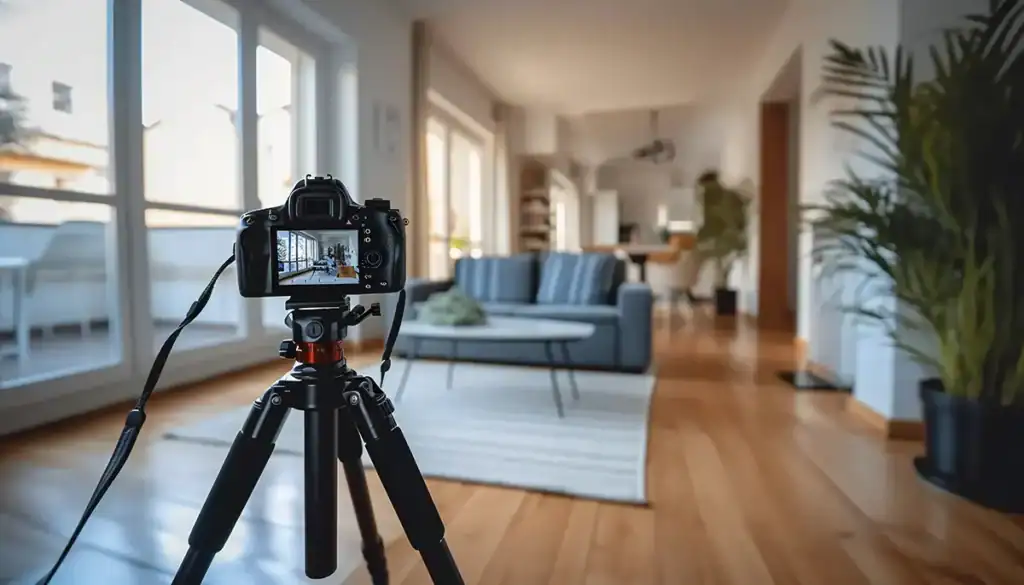
Project photos are the fuel for your portfolio, website, and social feeds. They are also photos of real people, real homes, and real lives. So what happens when a dream client says, “Please do not post this online”?
In the Interior Design Community, this question comes up in conversations about the business of interior design and client management for designers. This updated guide walks through how to protect the privacy of interior design client photos, keep your marketing strong, and maintain healthy boundaries with the people who hire you.
Whether you work locally, offer virtual interior design or eDesign, or run a hybrid studio, the principles are the same.
Why clients say “no photos” more often now
When a client hesitates about photos, it can feel personal. In reality, most concerns fall into a few clear buckets:
- Privacy concerns
High-profile or privacy-minded clients may not want their floor plans, art collections, or family lives online. - Security issues
Photos can accidentally reveal doors, windows, alarm panels, routines, or expensive belongings, making people feel exposed. - Family and life transitions
Divorces, blended families, health issues, or custody situations can make clients extra protective of their homes. - Digital fatigue
Some clients want one part of their lives to be non-searchable.
Treat every “no” as information about what matters to them, not a rejection of your work as a design pro.

Make photography part of your process from day one
The most challenging situations usually happen when photography is an afterthought. Build it into your process so it feels typical and expected.
1. Flag photography on the discovery call
Plant the seed early. You can keep it simple and conversational:
“Part of how we keep serving the right clients is by photographing finished projects for our portfolio. I will walk you through how we protect your privacy, and we can set any limits you need.”
This normalizes photography as part of your studio’s workflow.
2. Include a clear photography and usage clause
Your contract should explain, in plain language:
- Who has the right to photograph the project
- How images may be used, for example, a website, social media, press, and a printed portfolio
- How will you protect anonymity, for example, no names, addresses, house numbers, school logos, or street shots
- What happens if a client opts out of photography completely
Work with your attorney to dial in the language for your state and your photographer agreements. Good contracts are a core part of design entrepreneurship and protect both your client and your business.
3. Reconfirm before install and at project wrap
Photography consent is not “set it and forget it.” Before installation day or the shoot date:
- Remind the client that photography is coming up
- Share how long the team will be in their home
- Confirm which rooms or angles are off limits
- Give them a chance to tighten boundaries if something in their life has changed
This is simply strong client communication and boundaries in action.
Scripts for when a client is nervous about photos
Having language ready helps you stay calm, friendly, and confident in real time. Here are two scripts you can adapt to your own voice.
When they say, “I am not sure I want my home online”
“I completely understand and I am glad you shared that. Photography is important for my business, because it is how future clients decide if I am the right fit. We can set very specific privacy rules, like no names, street views, or personal items. If we design those boundaries together, would you be open to a limited shoot that feels comfortable for you?”
If they soften, move into a conversation about the details and follow up with those boundaries in writing.
When they say, “Absolutely no photos”
Sometimes the answer is a firm no. In that case:
“Thank you for being clear. I will honor that and we will skip photography for this project. I may still take a few quick reference photos just for our internal records, but they would never leave our files or be used in marketing. If you are ever comfortable sharing in the future, we can revisit it.”
Respecting a clear boundary protects your reputation and often leads to strong referrals, even without photos.
Privacy-first photography options you can offer
Before you assume a complete no, explore alternatives. Many clients are open to photos once they understand their options.
- Tight detail shots
Photograph millwork, textiles, vignettes, lighting, and styling moments that highlight your eye without revealing layout or identity. - Anonymized wide shots
Avoid exterior views, identifying art, family photos, kids’ names, or anything that shows school names or locations. Blur or crop out house numbers and license plates. - Spaces, not lives
Skip medicine cabinets, paperwork, jewelry drawers, or anything that telegraphs personal wealth or health. - Private only portfolios
Some clients are comfortable with a private gallery you show to potential clients, whether on Zoom or in person, as long as it never appears on social media or your website. - Renderings and concept boards
High-quality renderings, mood boards, and drawings can still demonstrate your style and process, especially if you offer virtual interior design or eDesign services.
You can even add checkboxes for these options in your contract so clients feel in control from the start.
What other designers do when clients say no to photos
We asked members of the Interior Design Community how they handle it when clients do not want photos shared. Here are a few insights, quoted and linked with permission. These are the same voices you loved in the original post:
- @withersstudio
“It’s their home. They are the paying client. If they don’t want it shown, do the work and respect what the client wants.” - @ocandd.designstudio
“I have it in my contract that I have the right to photograph but also make it clear I will never share their exact location or identity. Also, I do not take pictures of their expensive belongings such as jewelry in a custom jewelry drawer. I provide most styling items.” - @newenglandhomeandinteriors
“I always ask them if we can take/use photos. I have a sentence in my contract. But we talk about it as it is their private home. And ultimately their choice, you can ask them if you can use them privately to share with potential clients but not post on any social media or websites. They may consider allowing that so that you can share that with clients on a private basis.”
These community perspectives highlight a shared value: images are essential, and trust is even more critical.
Operational checklist for photo respectful projects
Turn this into a simple SOP for you and your team to follow on every project:
- Mention photography expectations in your welcome guide and discovery notes
- Include a clear photography and usage clause in your contract
- Confirm what is in bounds and out of bounds before scheduling a shoot
- Brief your photographer on privacy rules and non-negotiables
- Remove or cover personal paperwork, family photos, kids’ names, school logos, and valuables before shooting
- Avoid geotagging client homes or using neighborhood hashtags that pinpoint the address
- Store client photos securely and limit who on your team can access raw files
This is not just about marketing, it is part of solid operations and project management for design businesses.
When you might walk away over photo rights
There will be rare projects where photography rights are so central to your strategy that you decide the project is not a fit without them. Some questions to ask yourself:
- Is this project a cornerstone for your portfolio, a new service, or a new market you want to reach?
- Are you pricing the project assuming you can leverage it for marketing, press, or the next tier of clients?
- Does the client’s concern feel collaborative and open, or does it feel adversarial from the first conversation?
If the numbers, the energy, and your long-term vision are not lining up, it is okay to say, “I might not be the right designer for this, and that is okay.”
Final thoughts and a next step
Handling the privacy of interior design client photos is now standard practice in the trade. You are not just decorating homes, you are running a creative business that depends on trust.
If you:
- Talk about photography early
- Put clear, fair language in your contract
- Offer thoughtful privacy options
- And respect it when someone says no
You can protect your relationships, your reputation, and your marketing pipeline simultaneously.